Rear Seat Diaries
Observation and Intervention
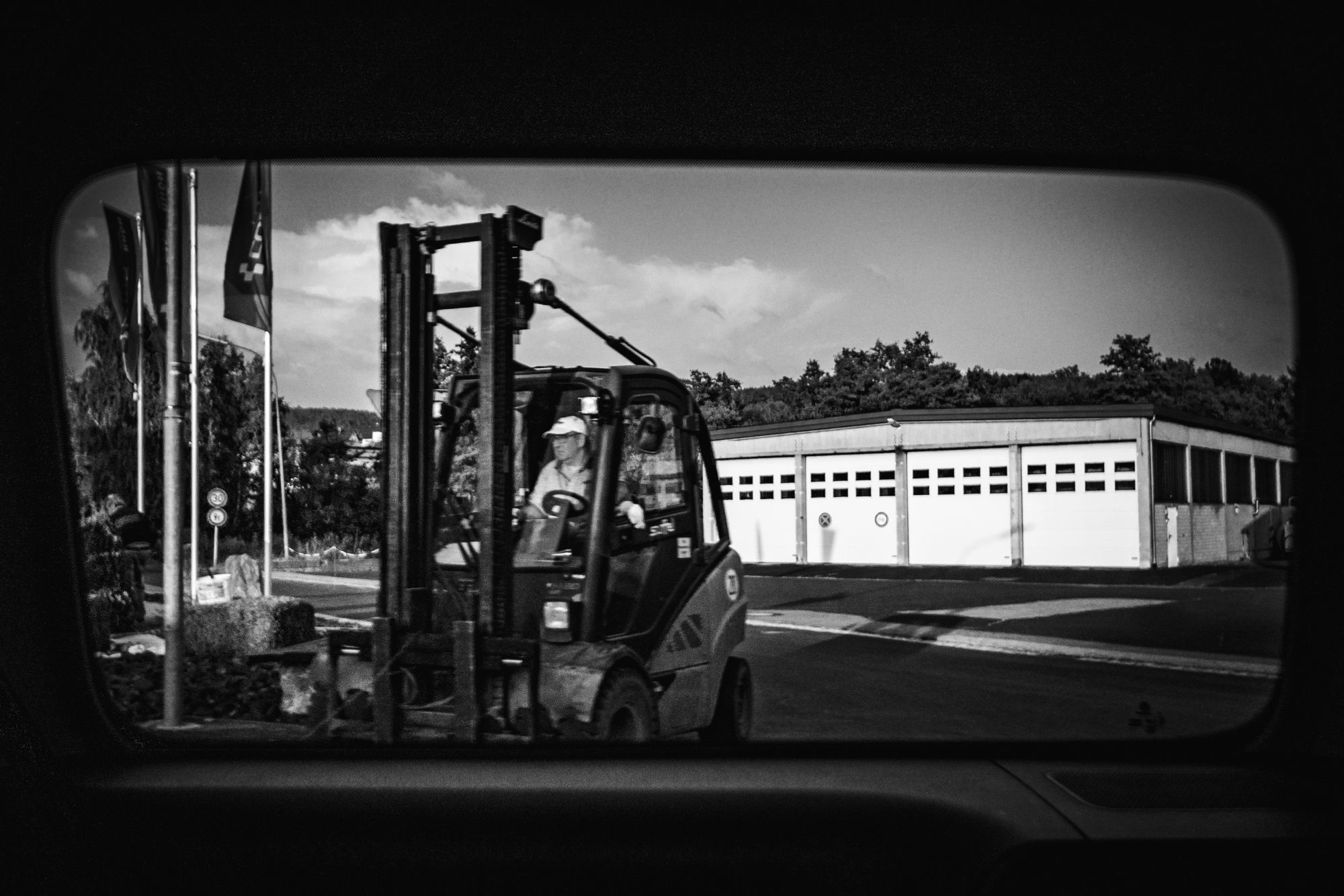
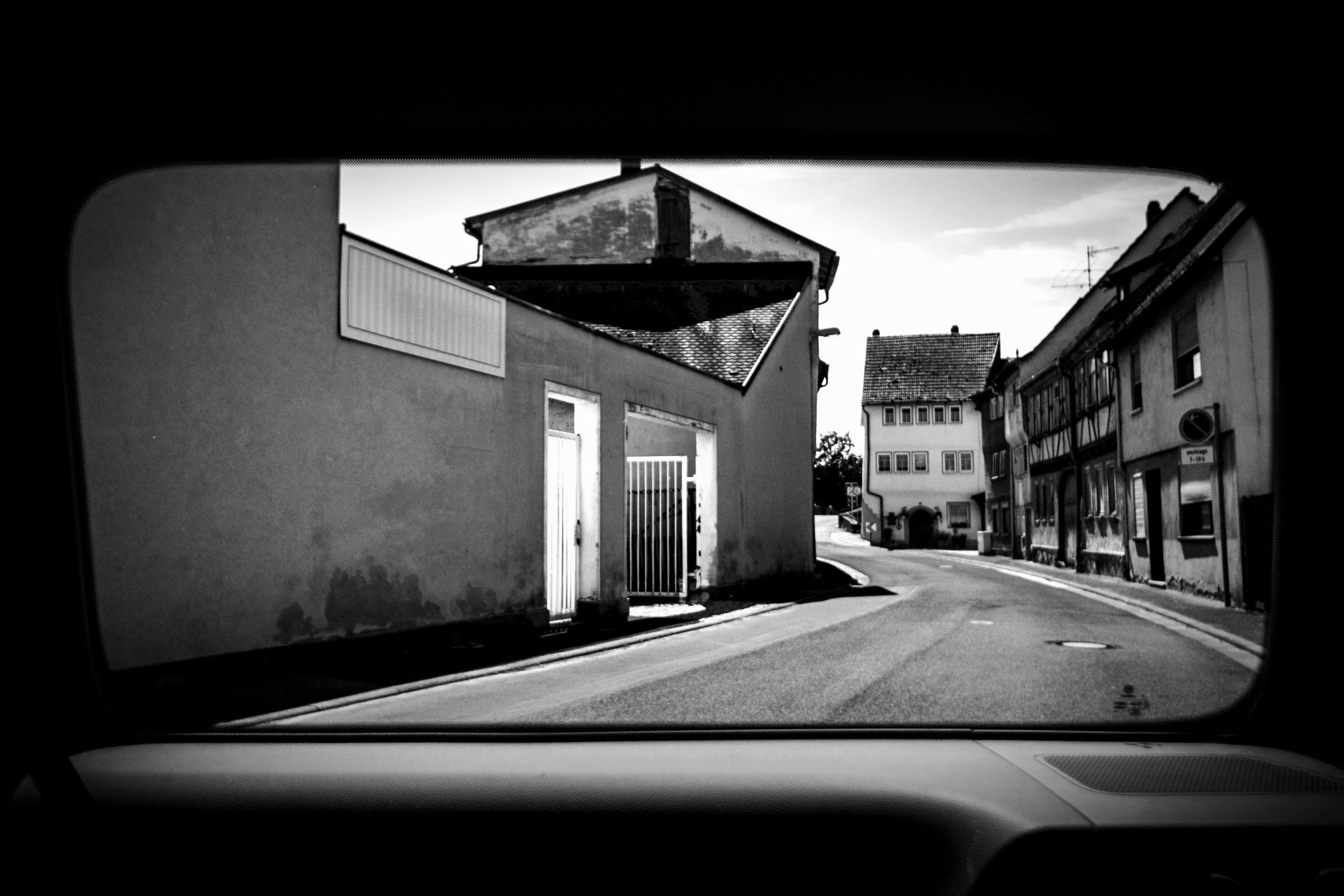
Rear Seat Diaries began in 2022 during a journey to Spain. While passing Lyon, I made a few casual photographs through the side window of my VW Caddy. At the time, there was no project in mind. The images were simply intended as a personal message to an acquaintance.
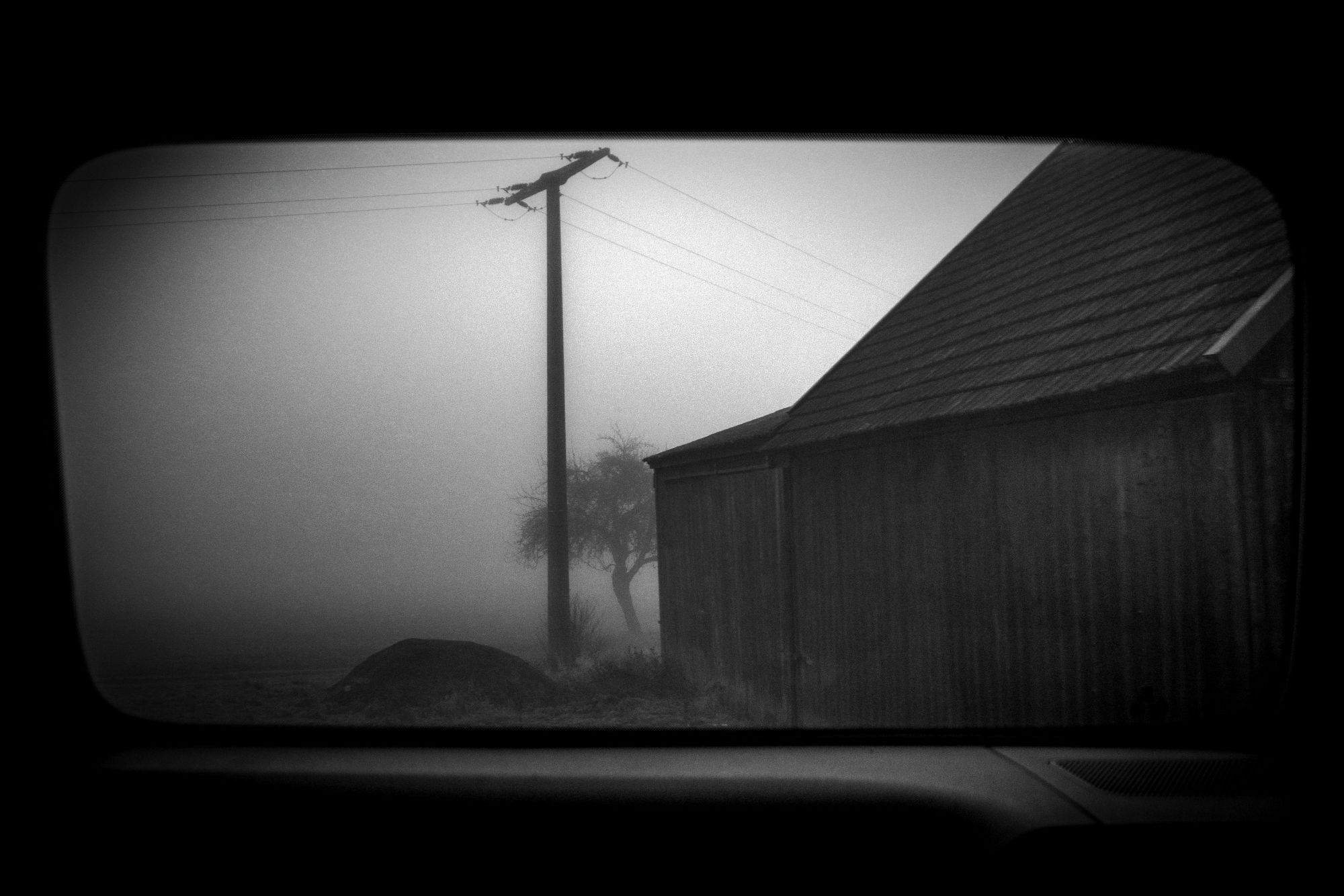
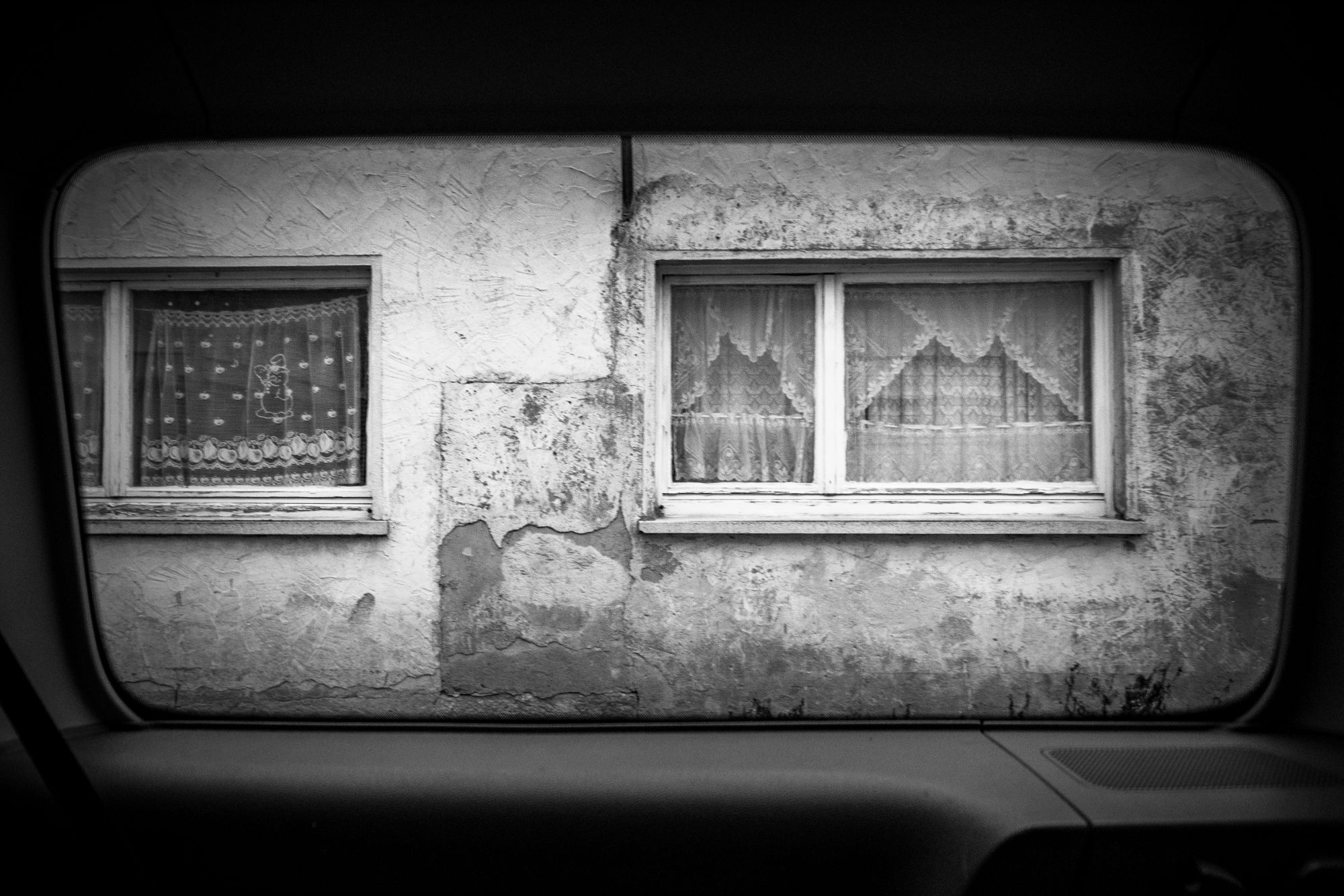
Only later, while reviewing the photographs, did I realize that the window frame, sometimes visible in its entirety, could be more than an accidental boundary. It defined a recurring photographic space. What had begun casually gradually developed into a conscious photographic practice.
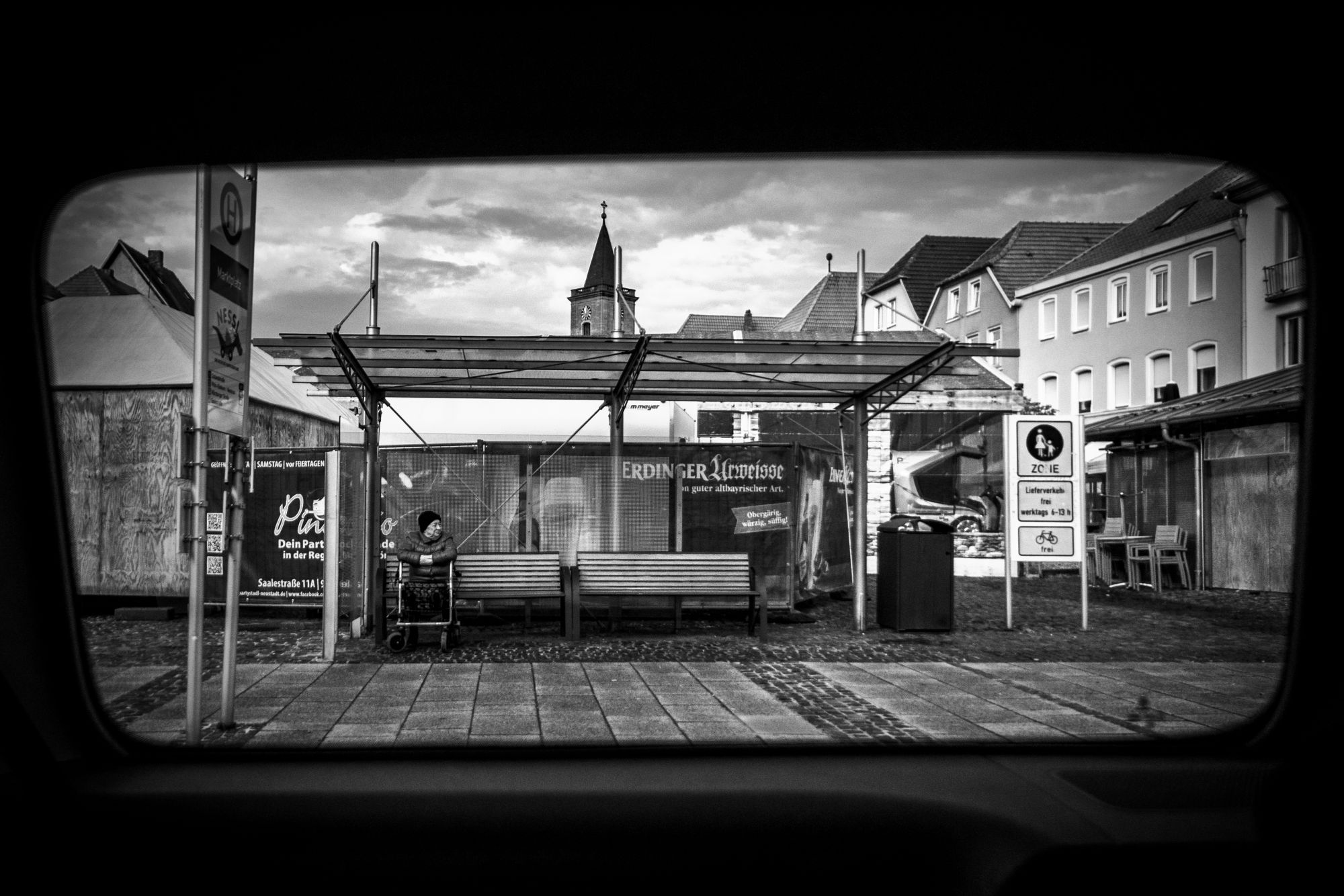
Since then, the photographs have been made through the same side window of the same VW Caddy, from the same characteristic spatial position. The constant lies in the recurring relationship between camera, window and outside space. What happens within this photographic space can change.
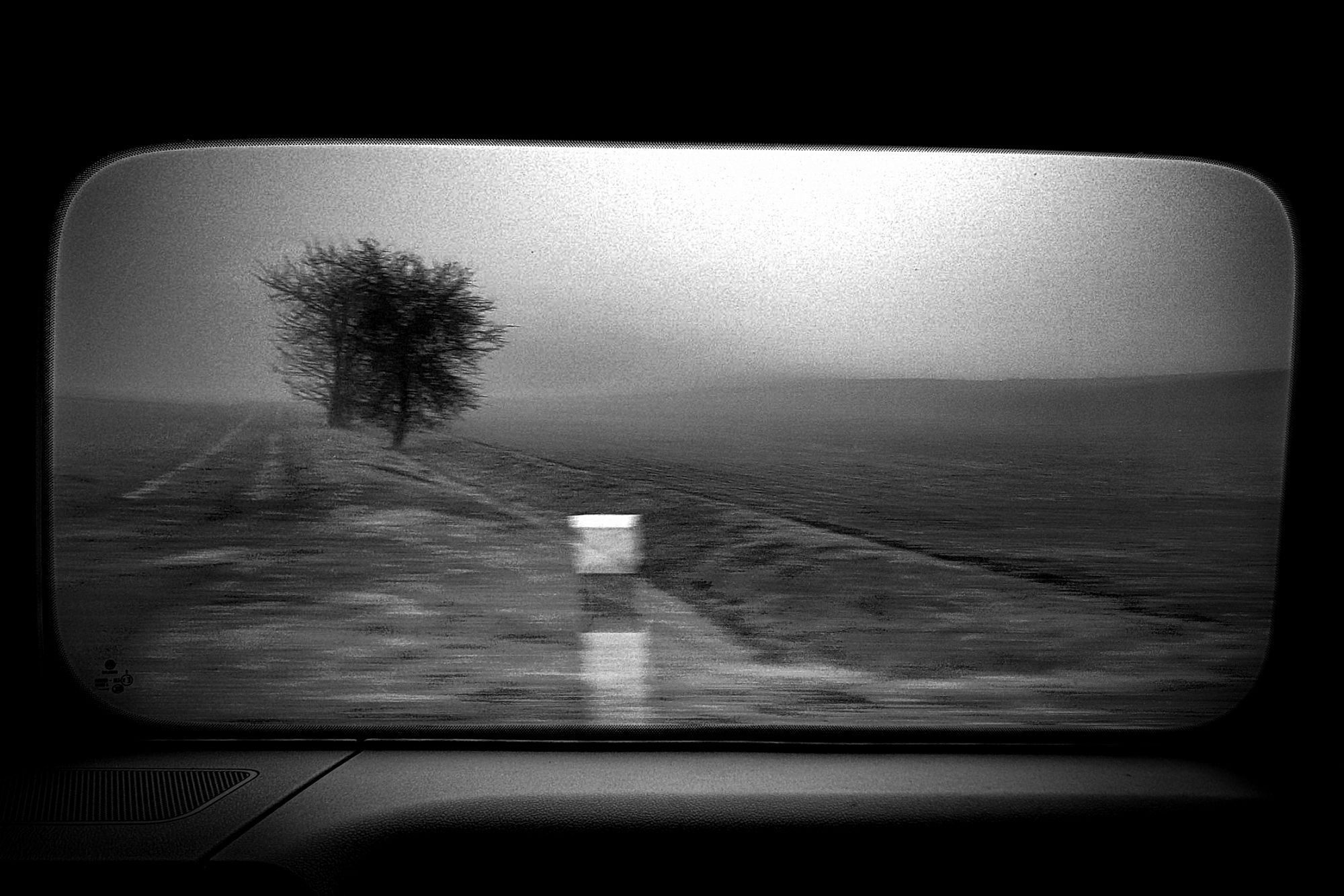
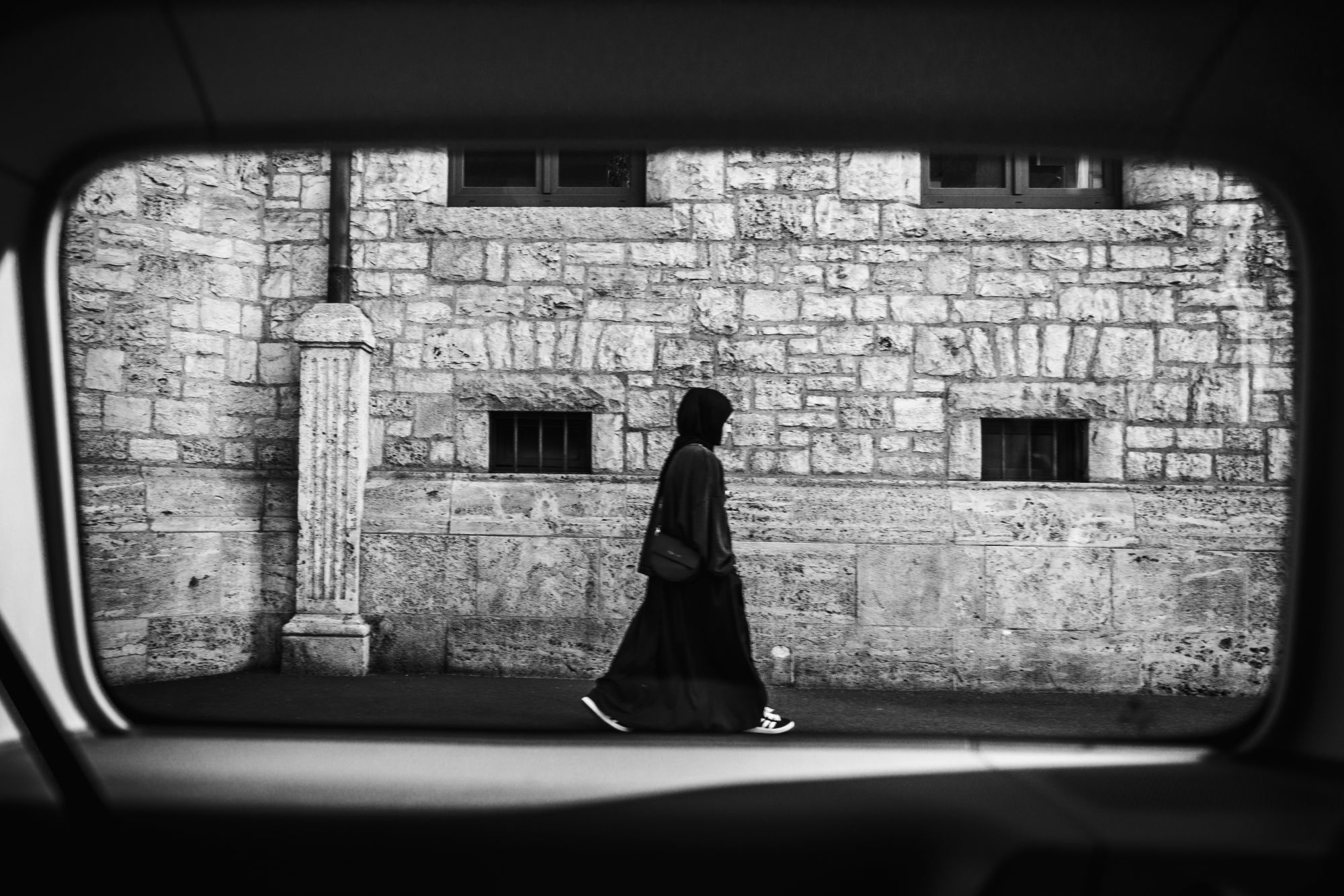
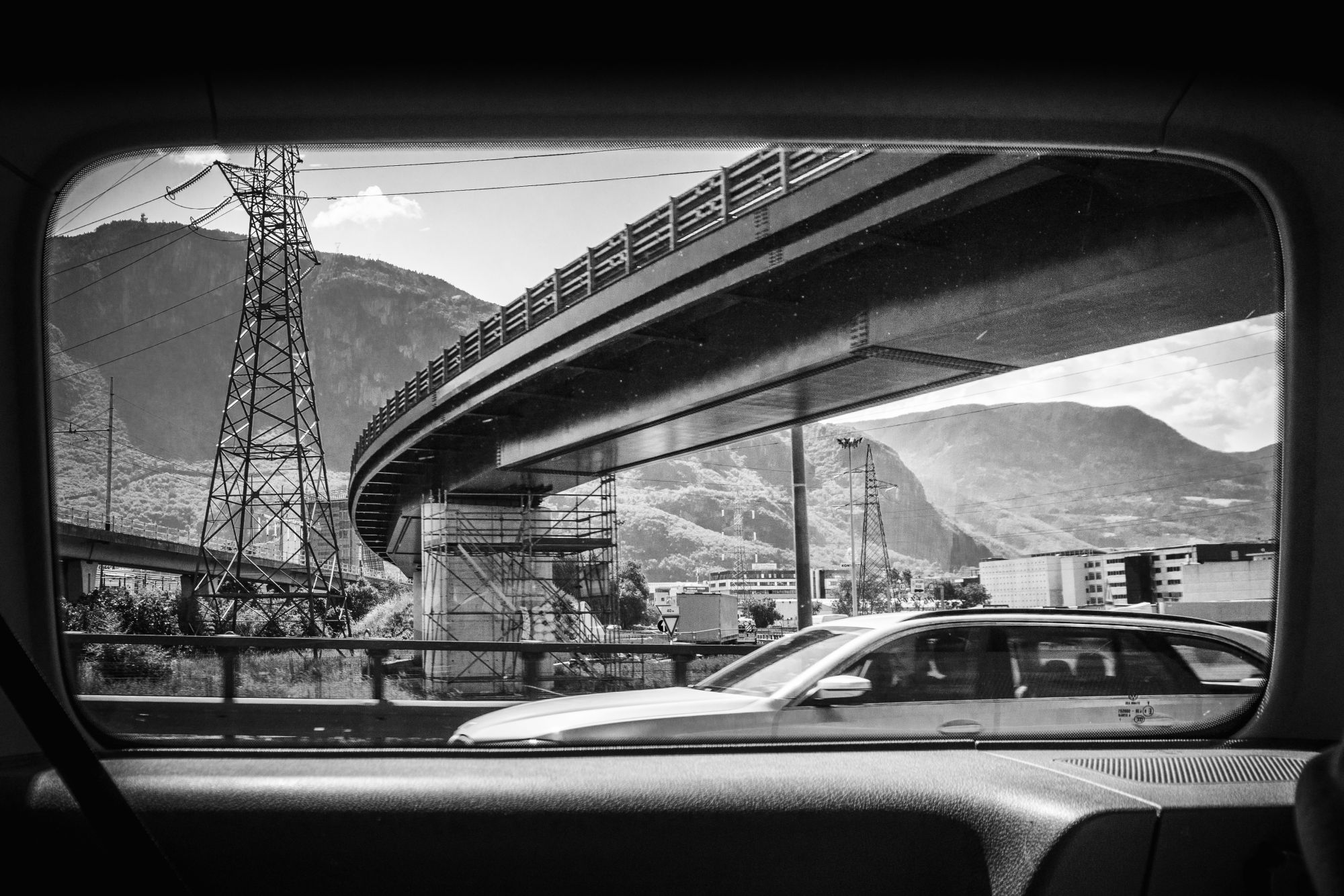
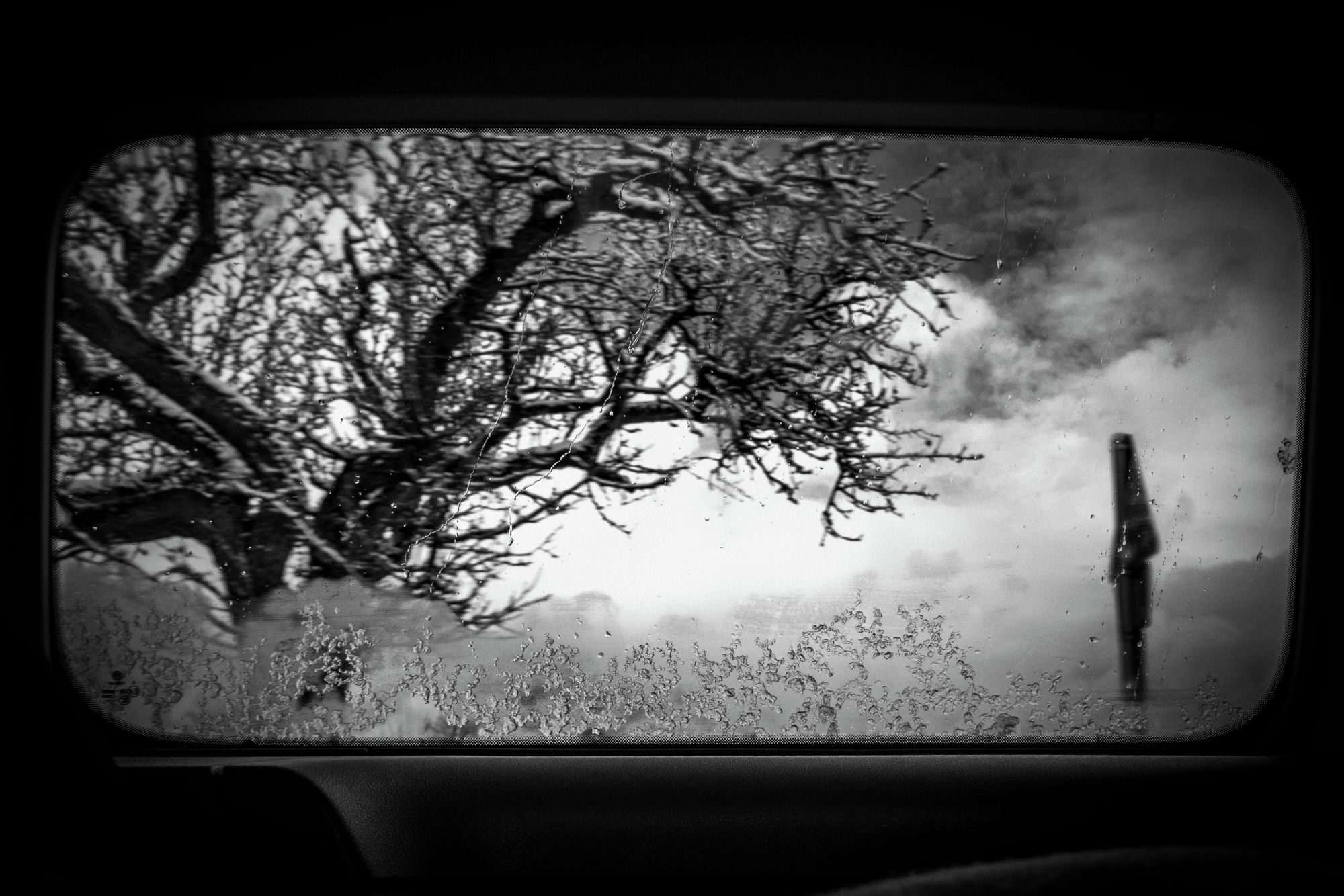
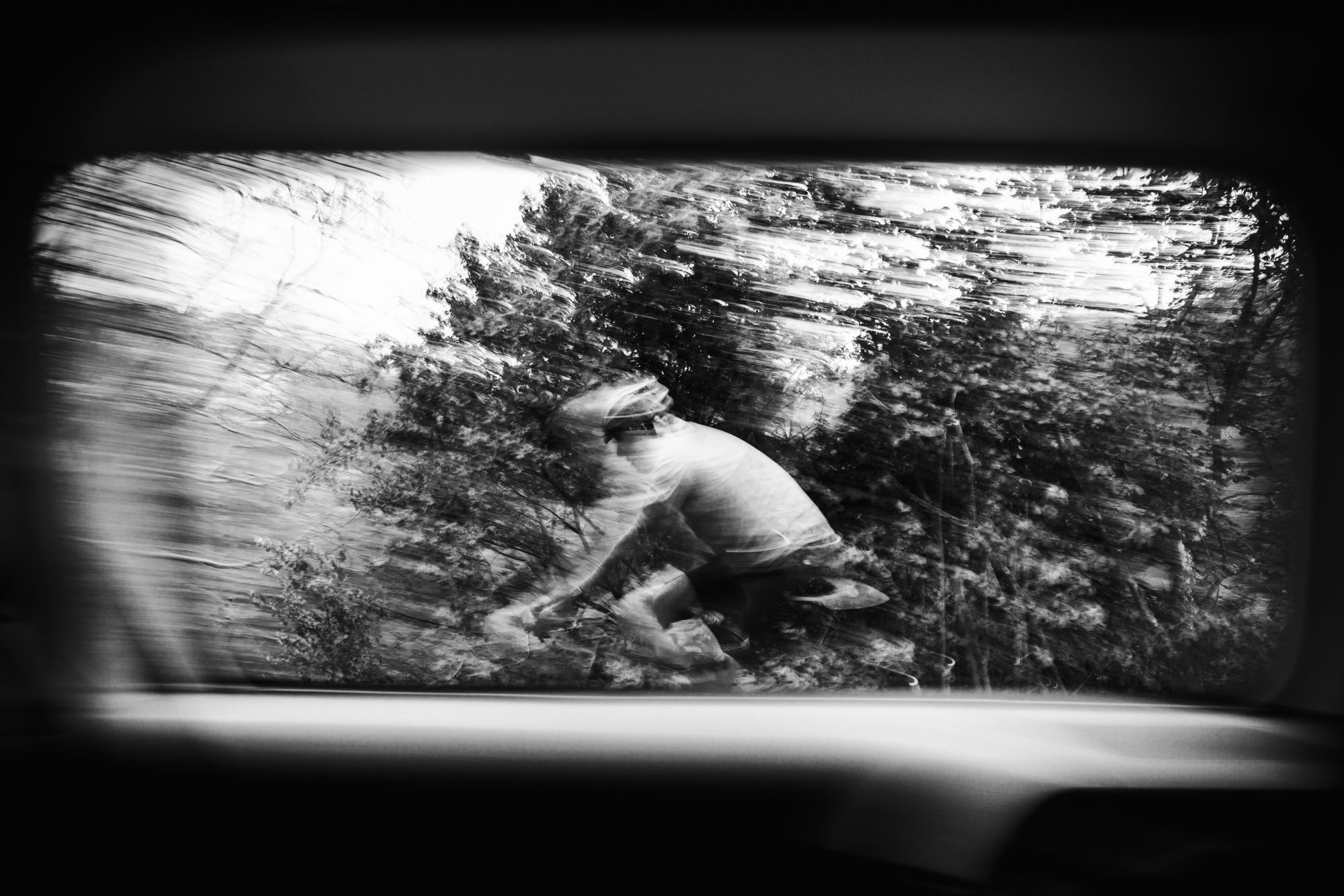
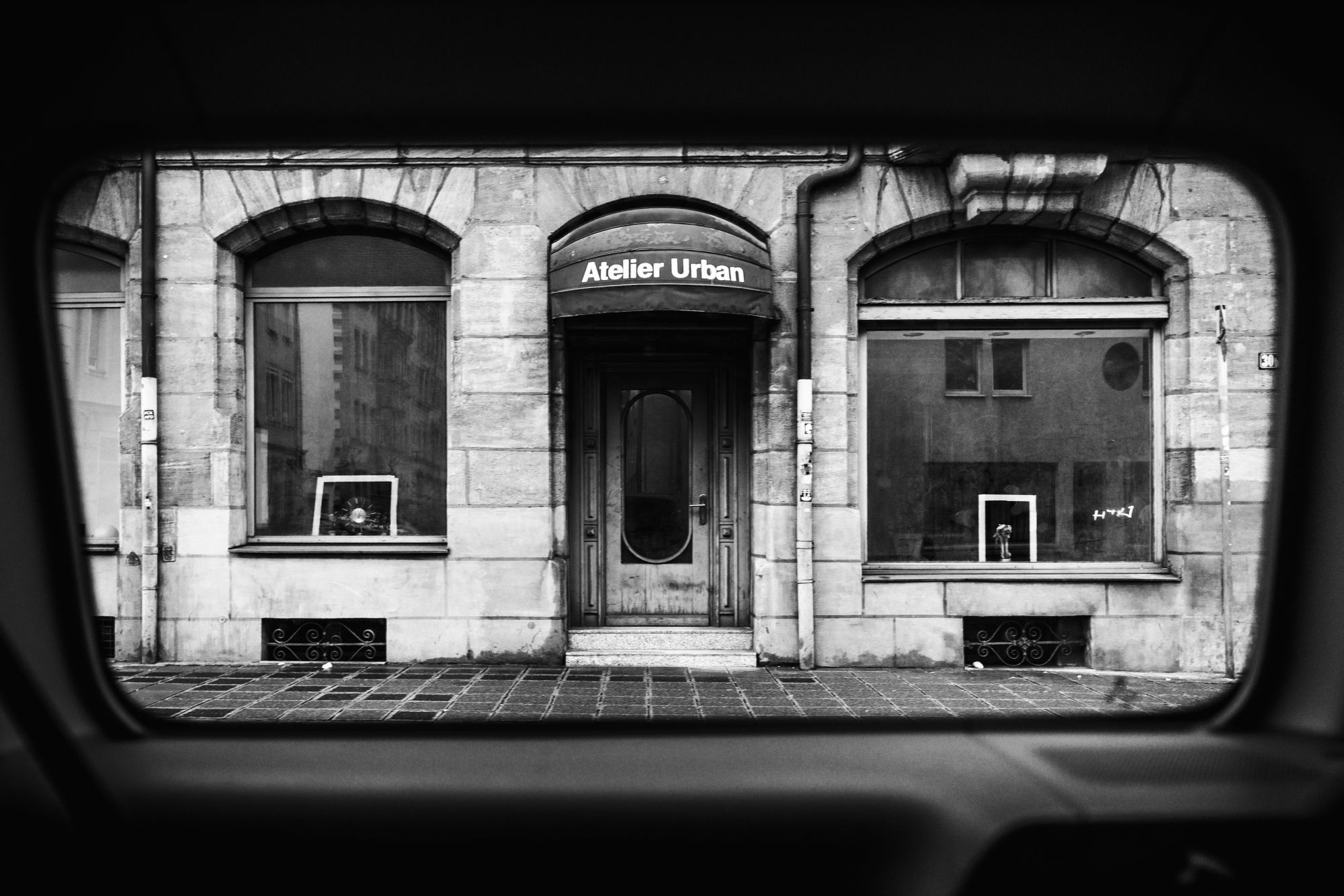
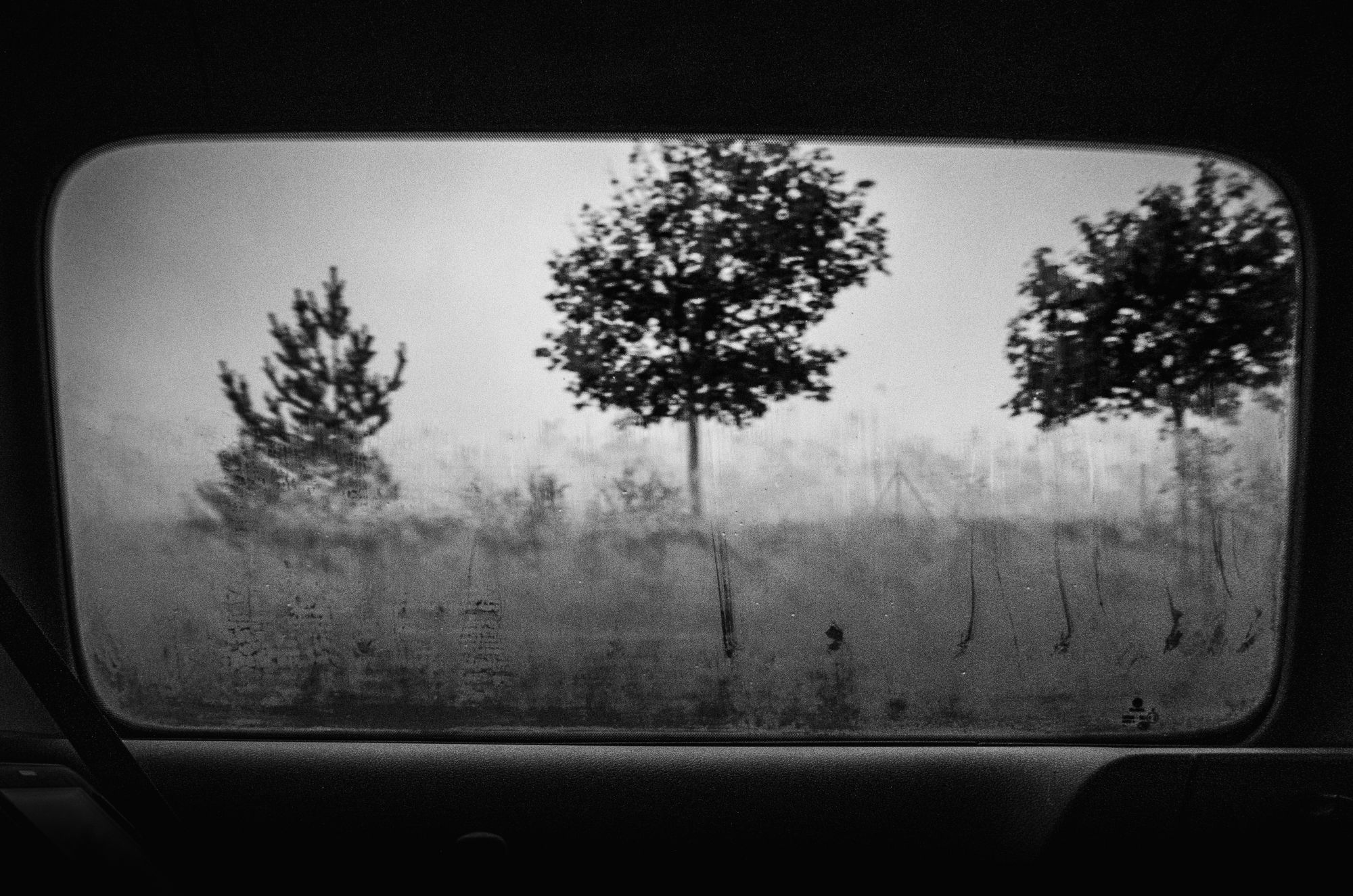
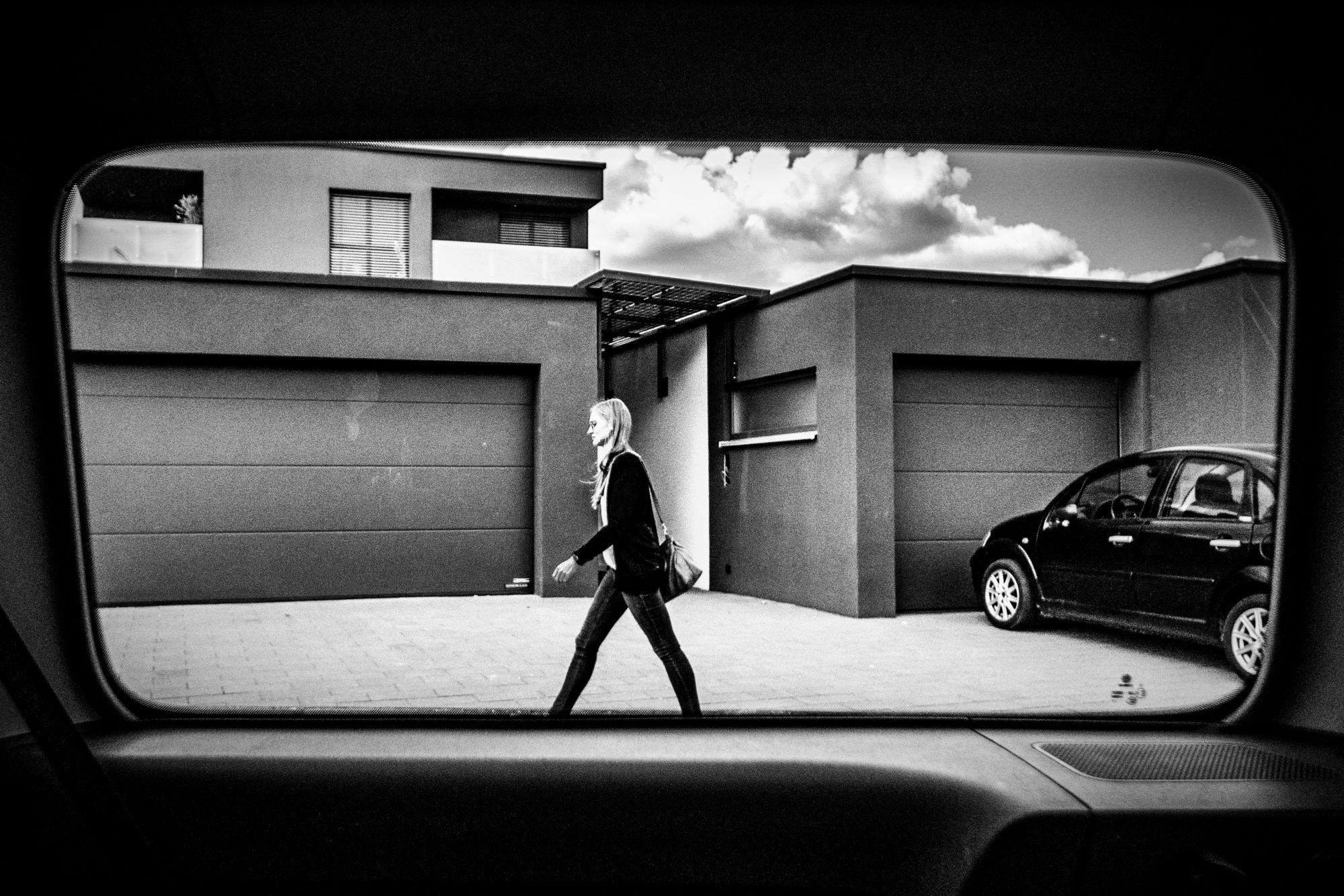
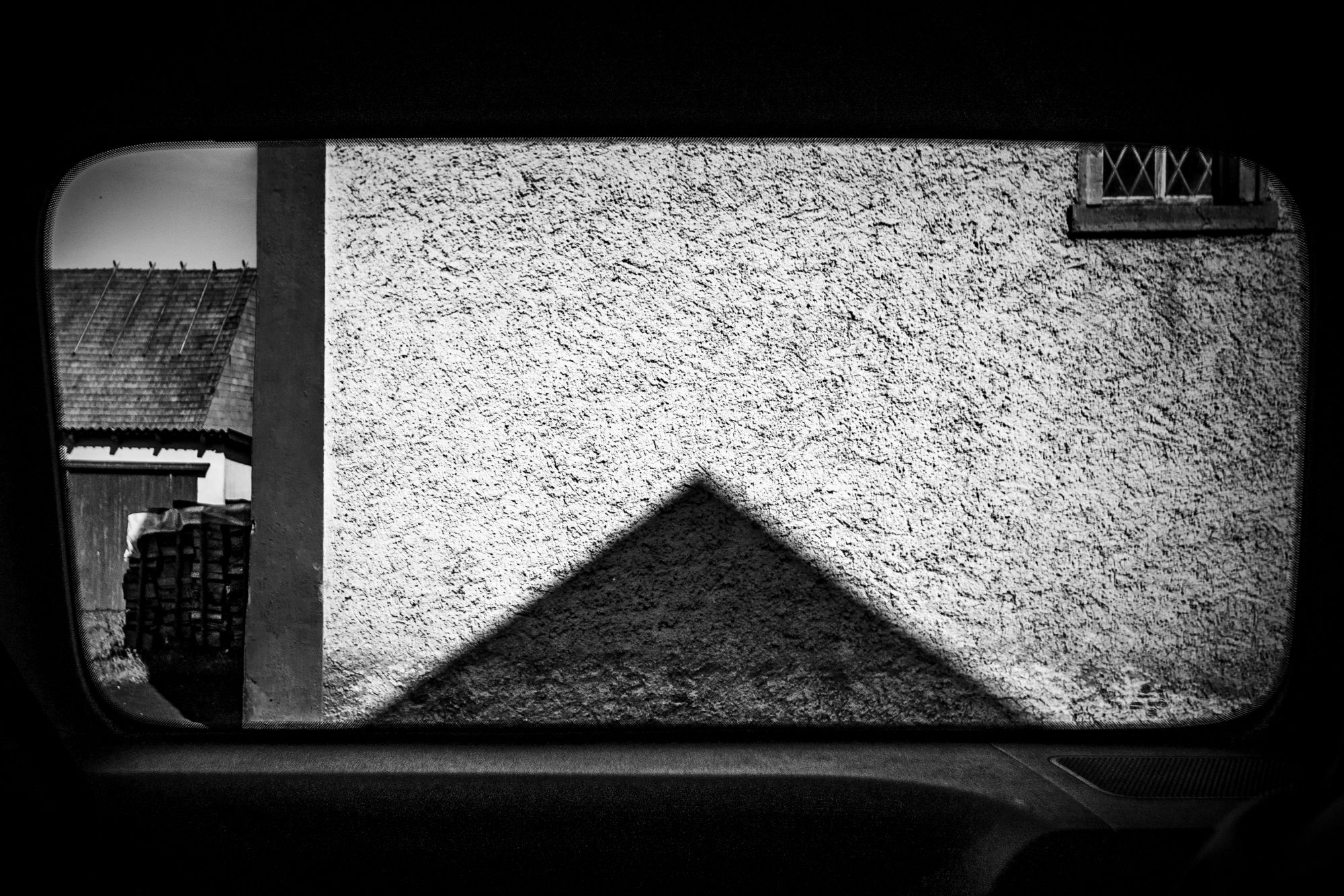
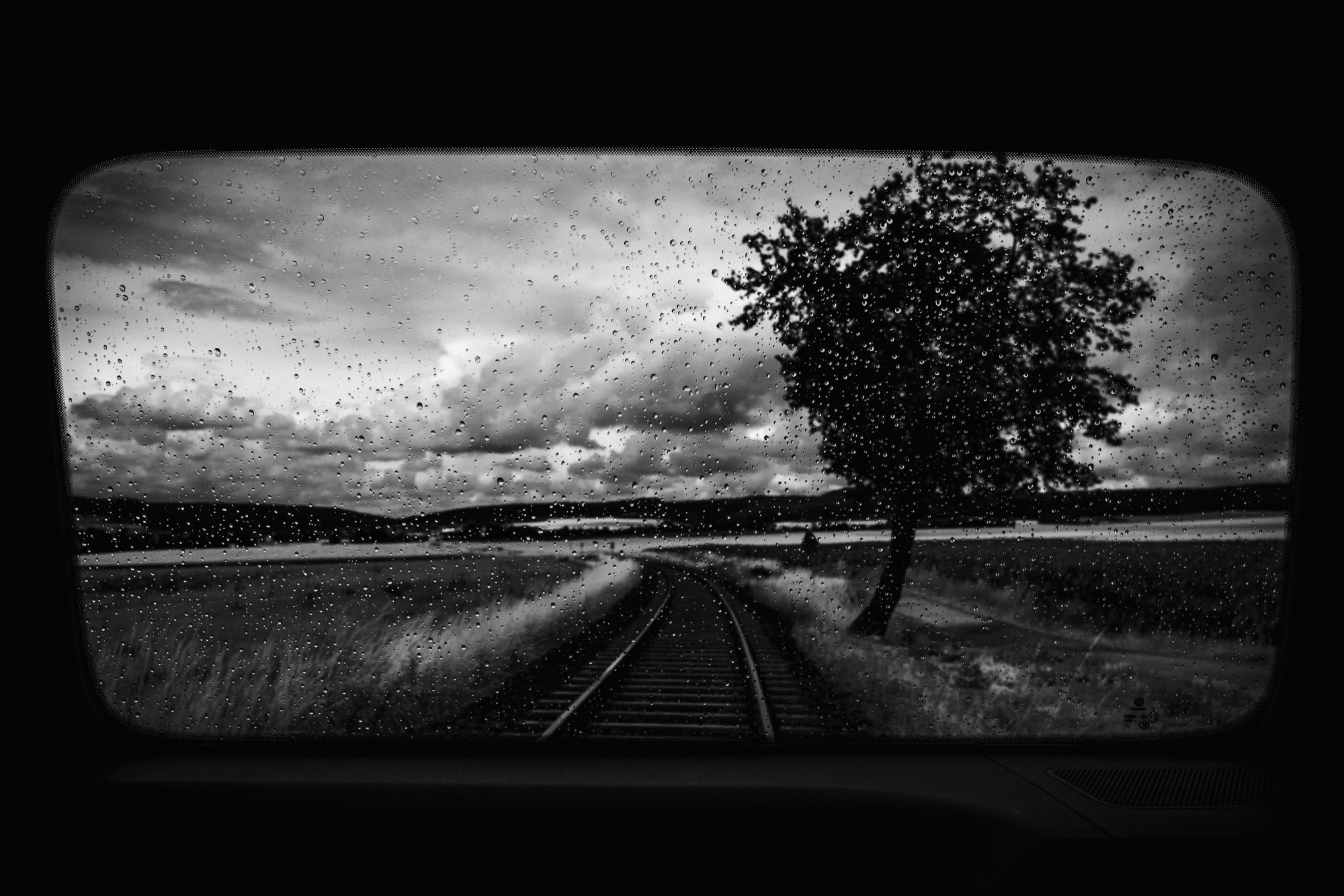
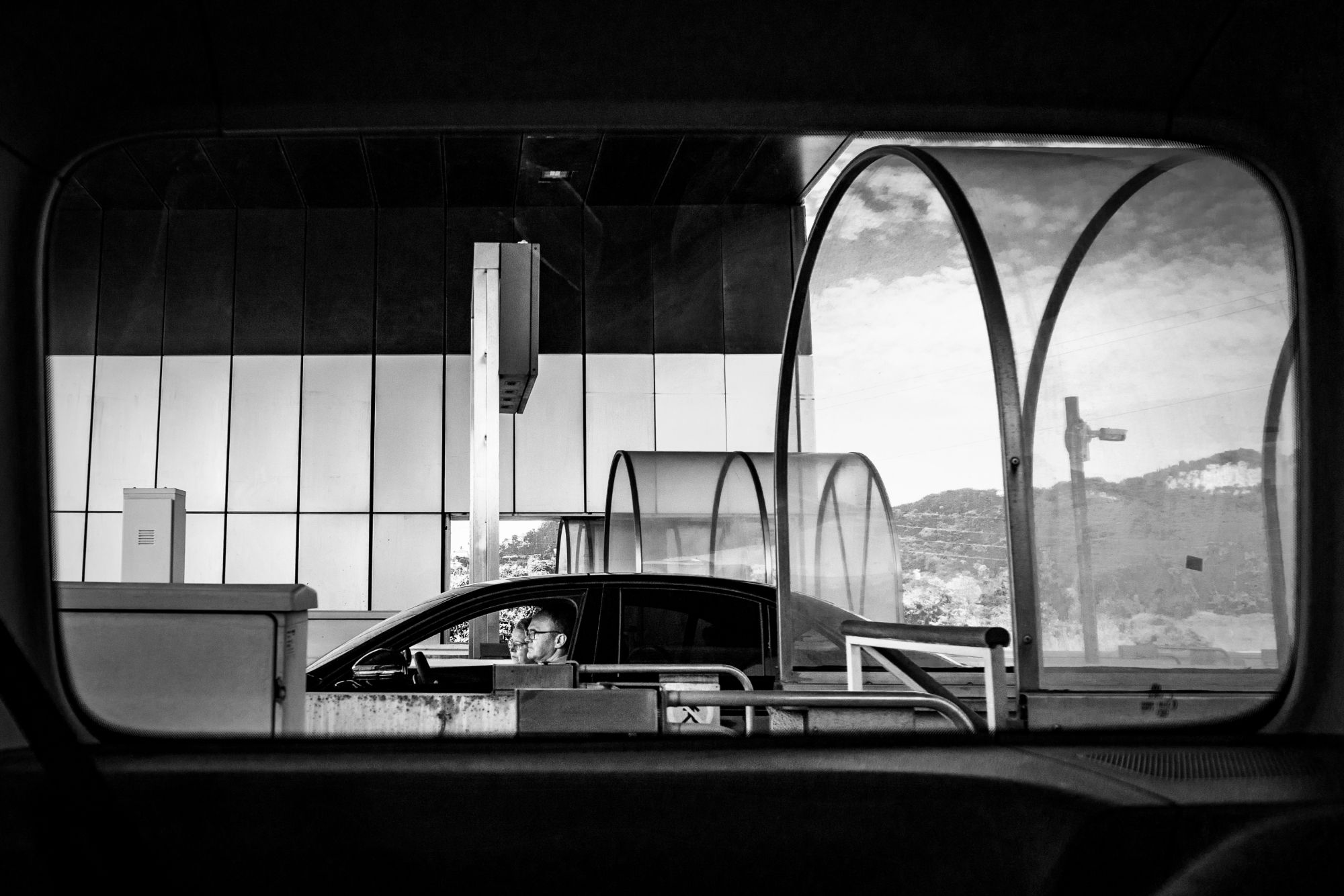
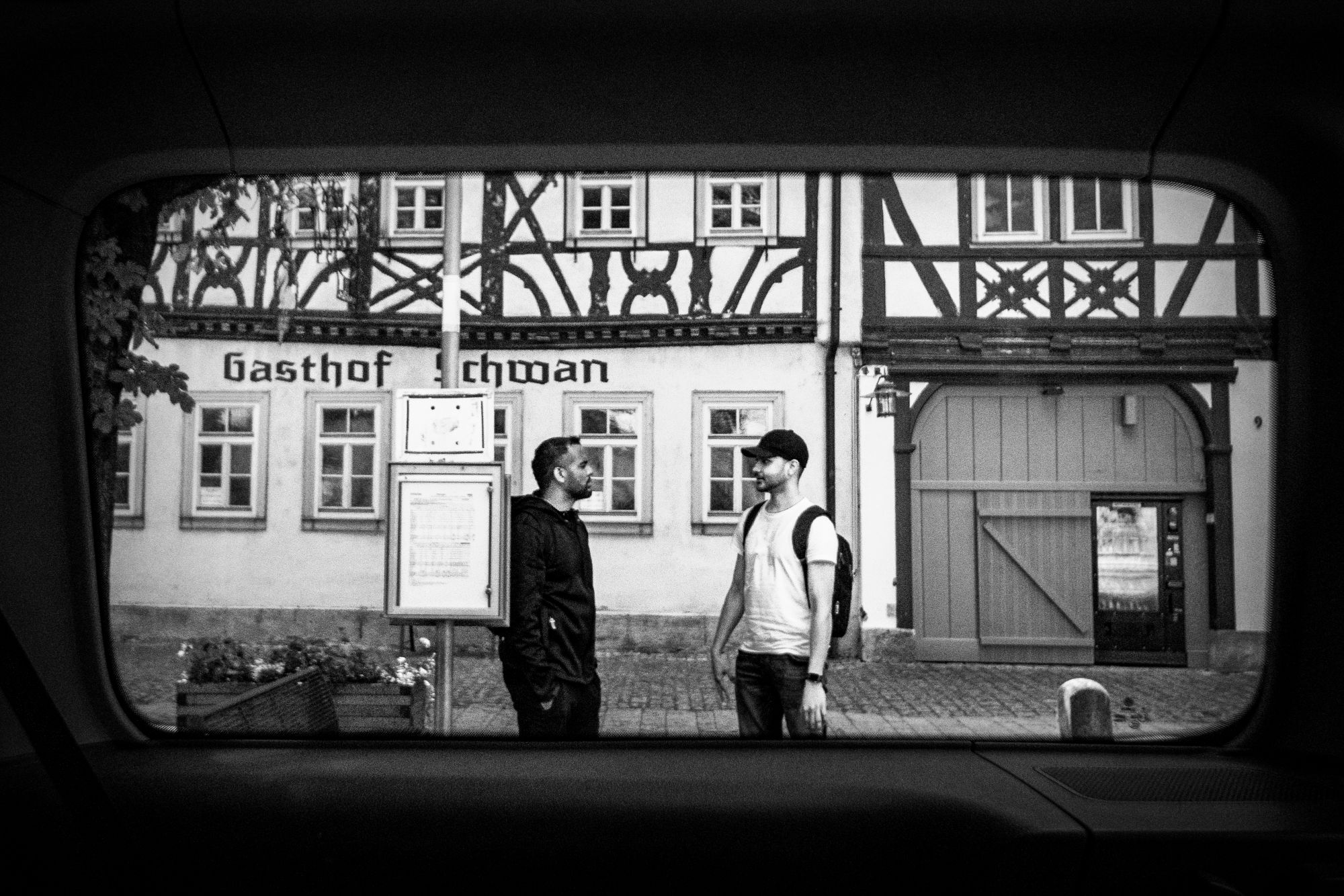
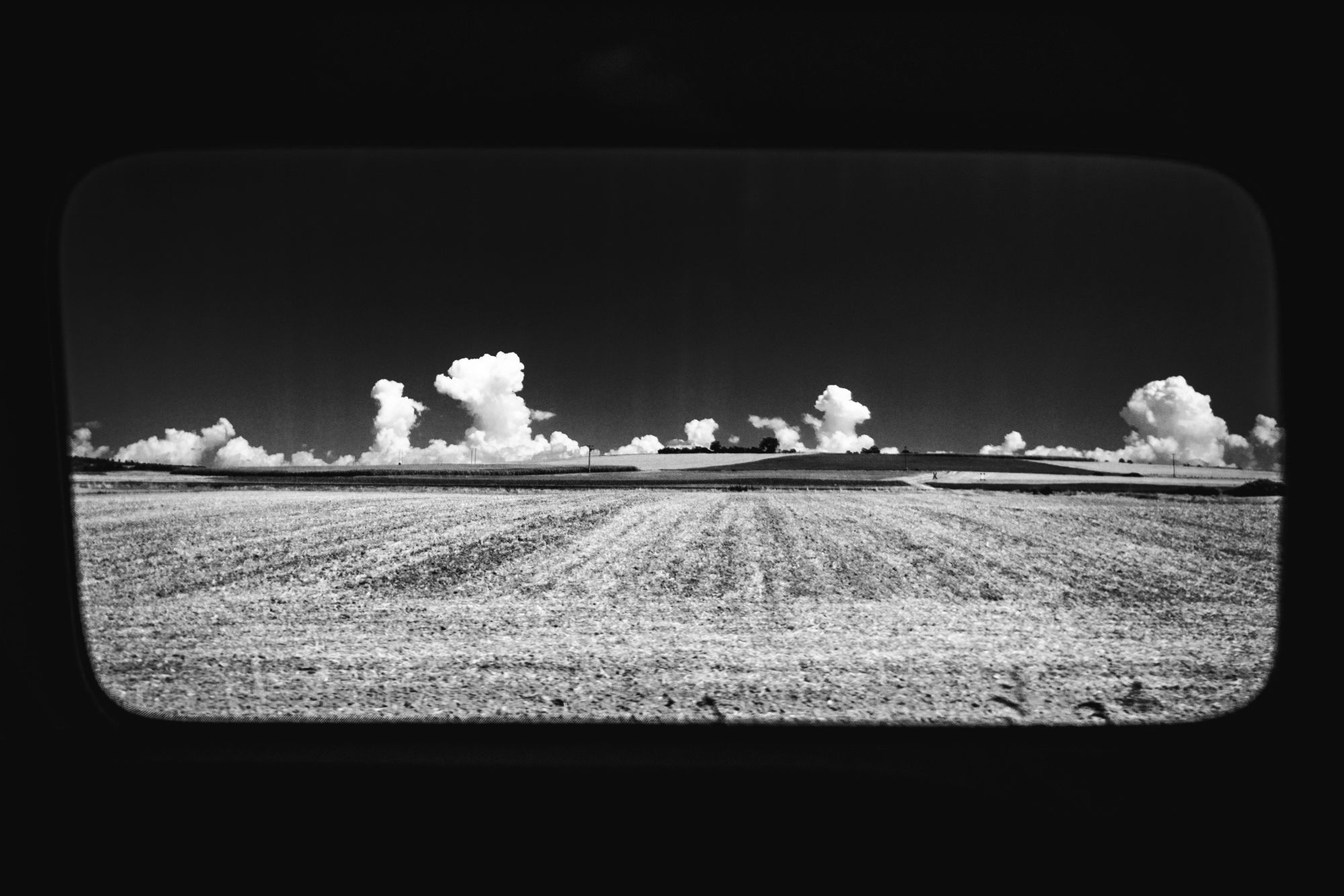
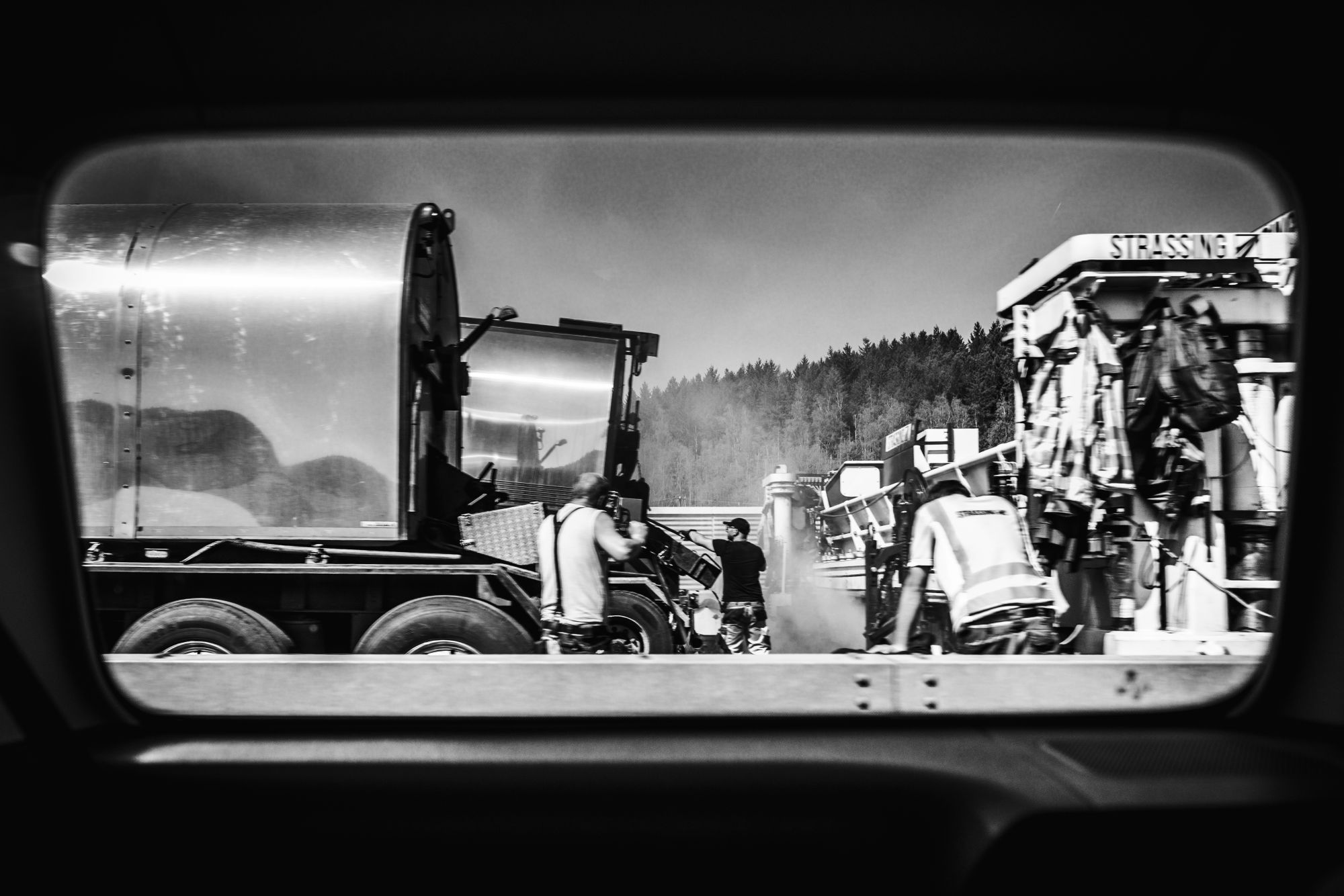
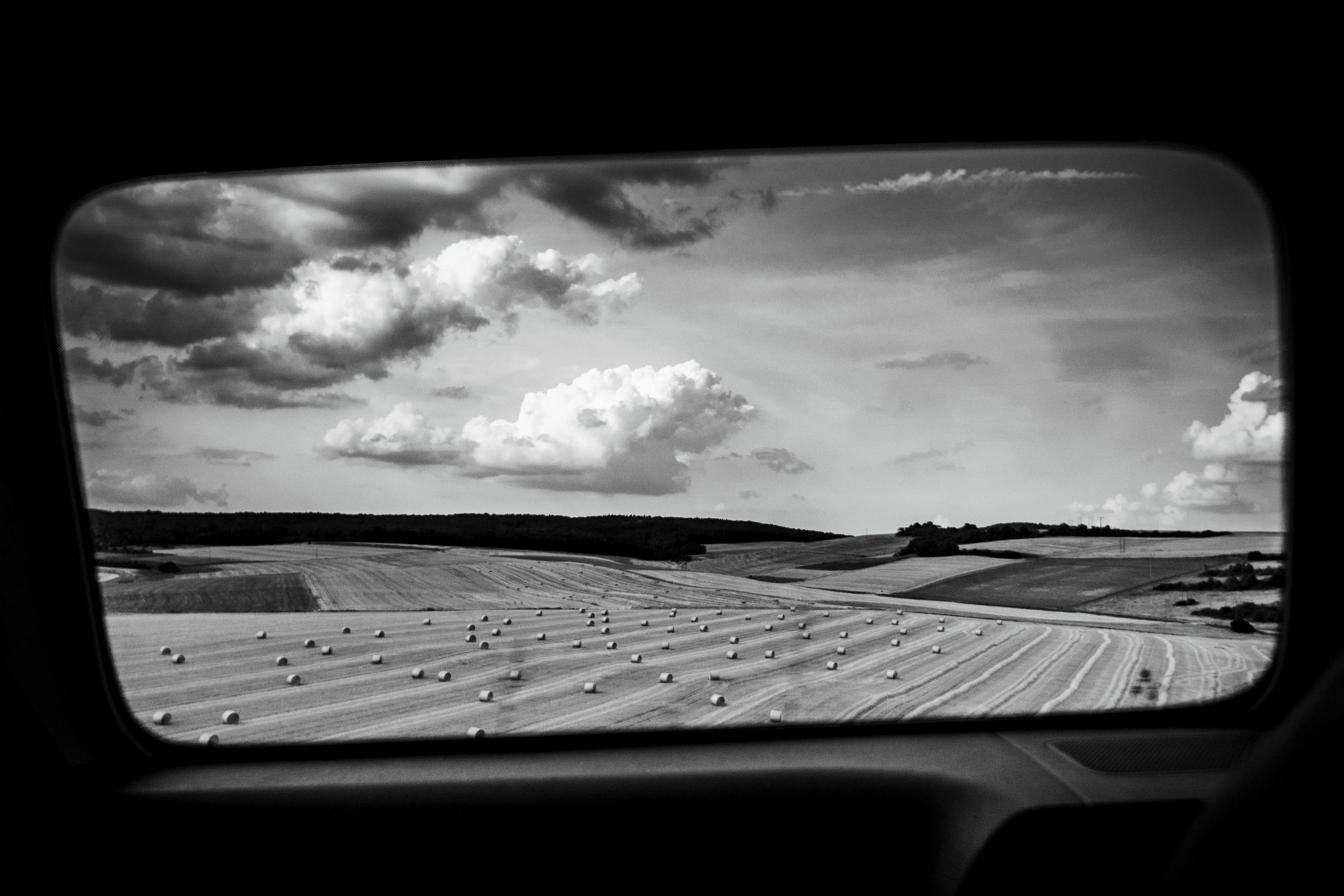
At first, Rear Seat Diaries was primarily documentary in character. A large part of the work was made while the Caddy was moving. Often there were only fractions of a second to react to a situation and release the shutter. Sometimes something could be anticipated; at other times the reaction was almost reflexive. The situation usually could not be repeated, and whether a photograph had succeeded often only became clear later when reviewing the images.
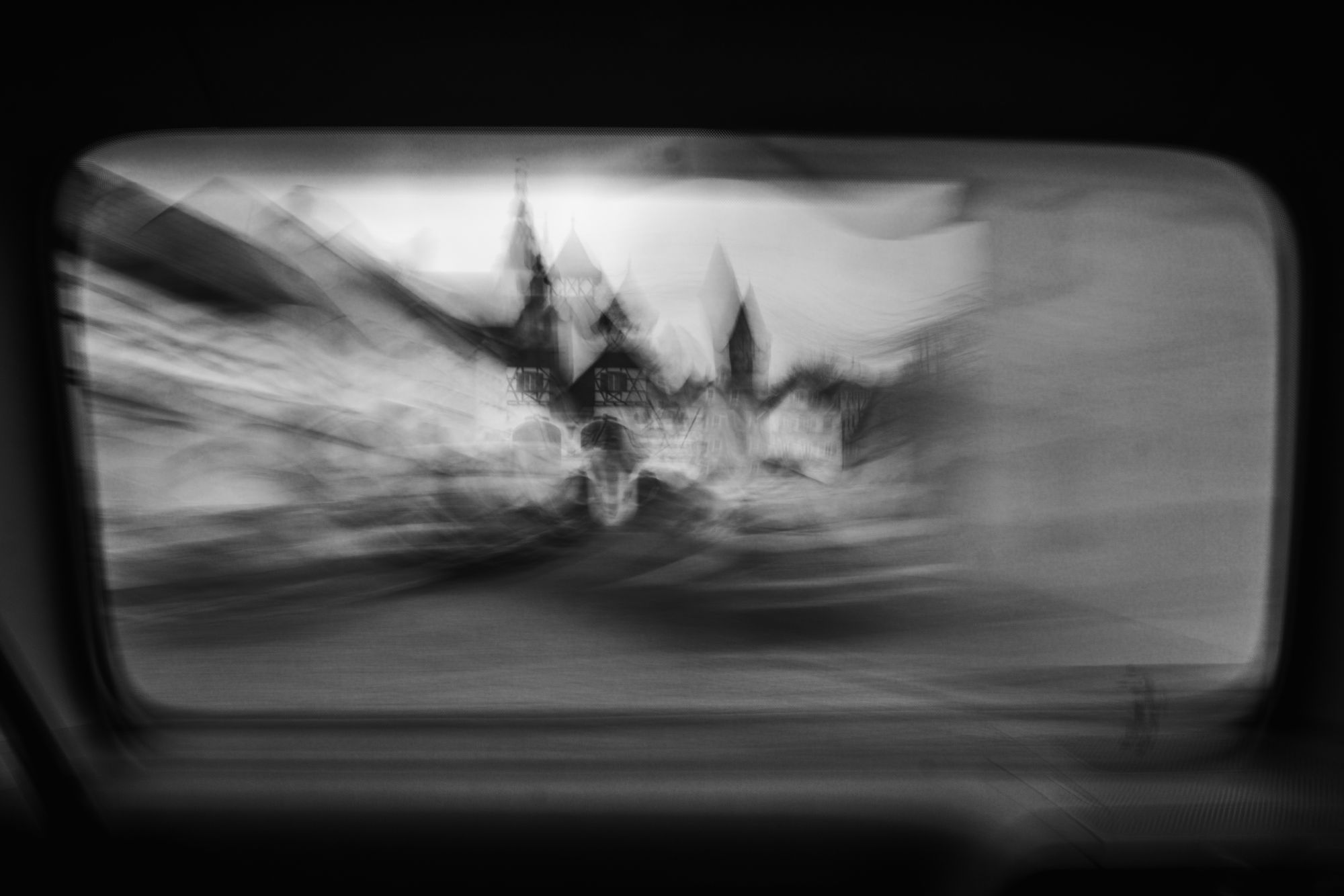
Over time, the photographic approach also evolved. Movement and longer exposure times began to be used deliberately. What was visible outside the window could blur, distort or partially dissolve into lines and structures. The window frame remained a constant element.
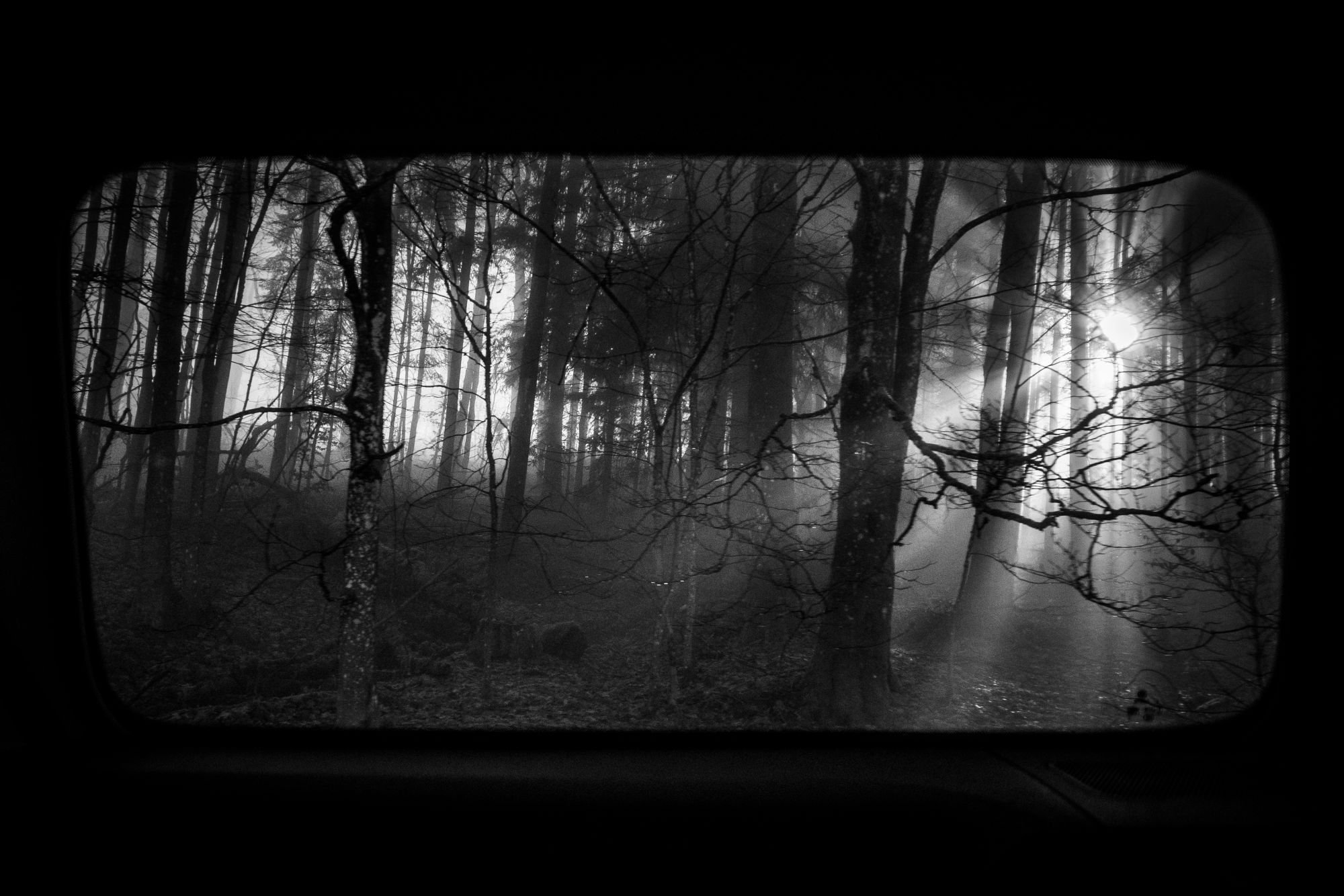
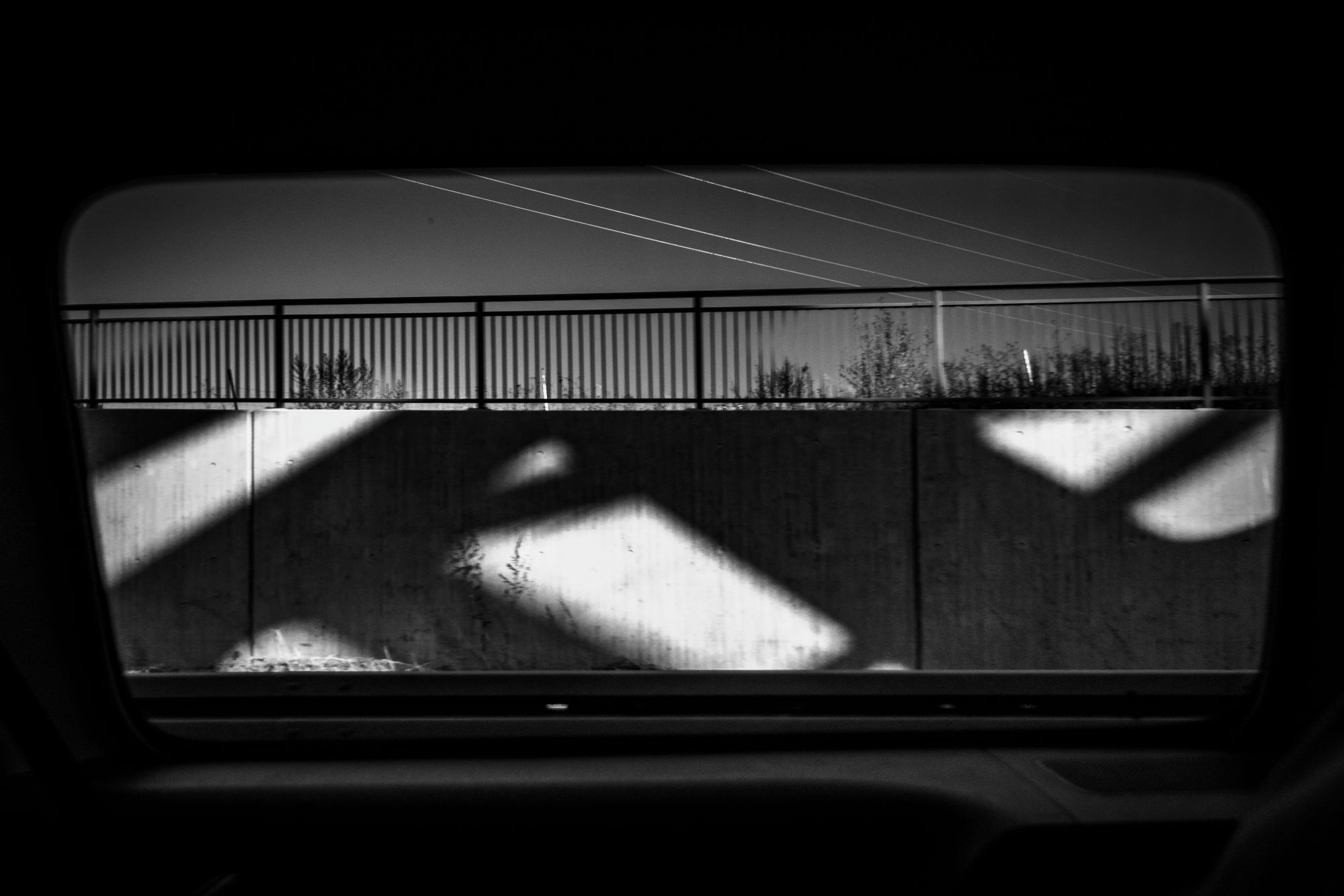
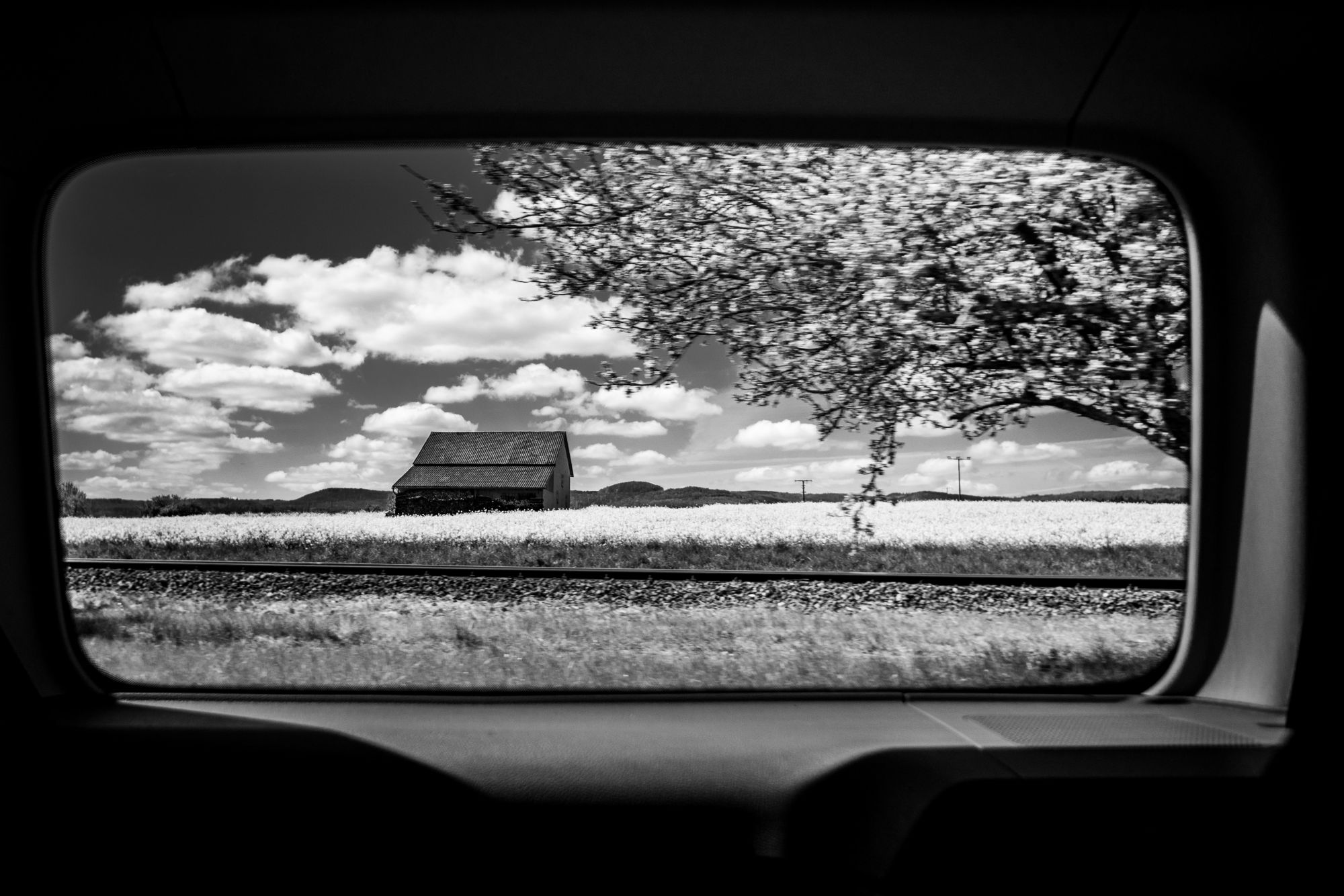
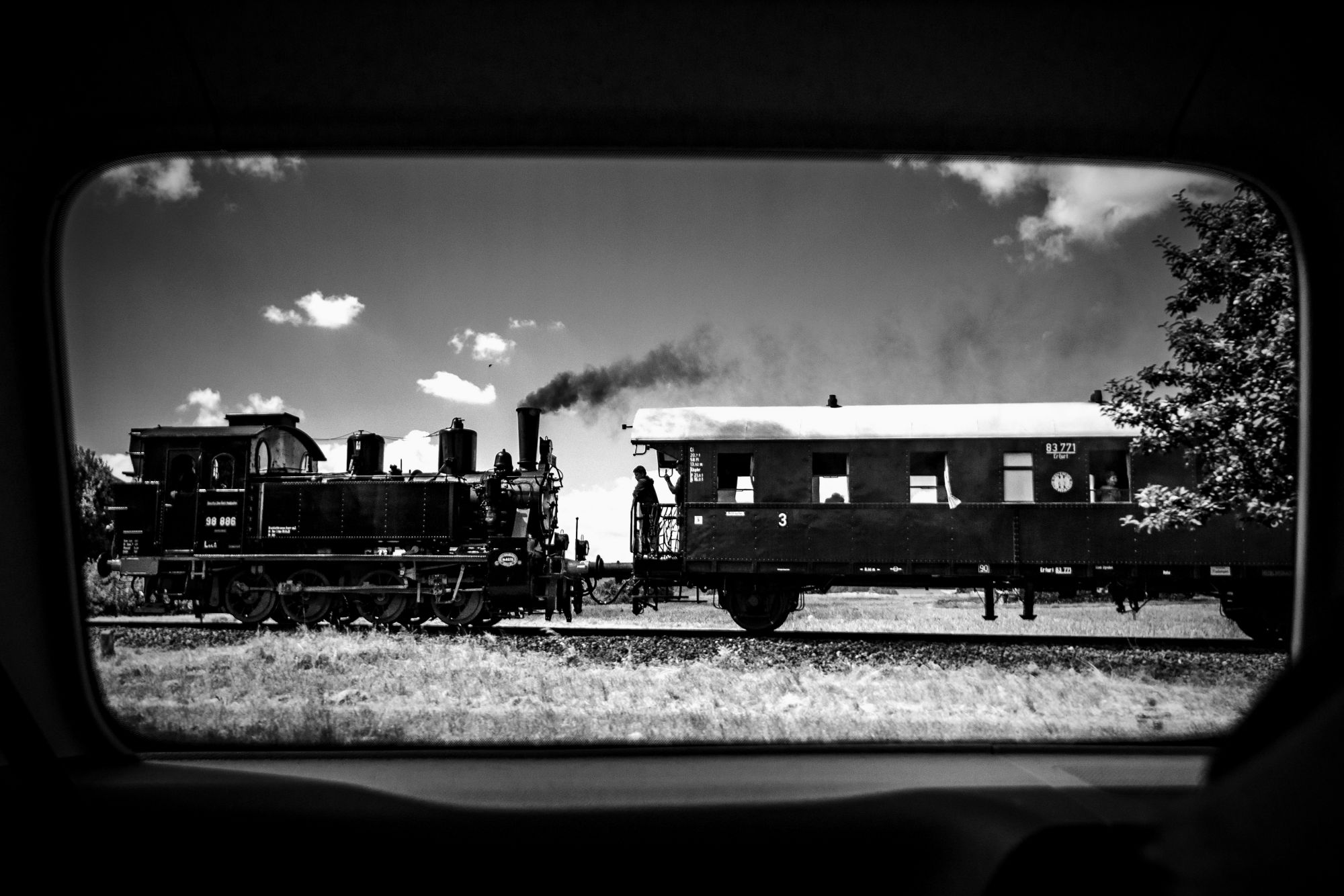
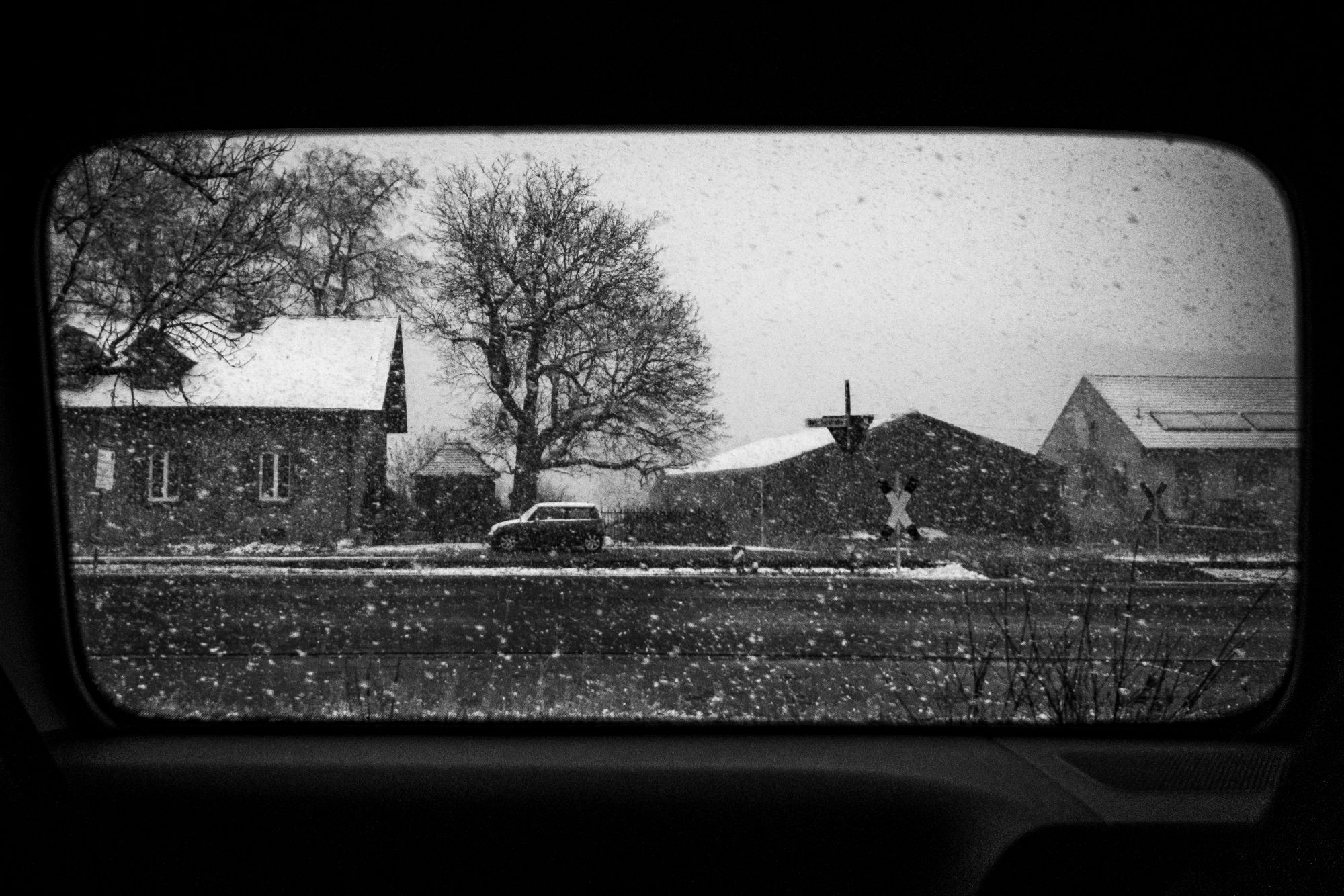
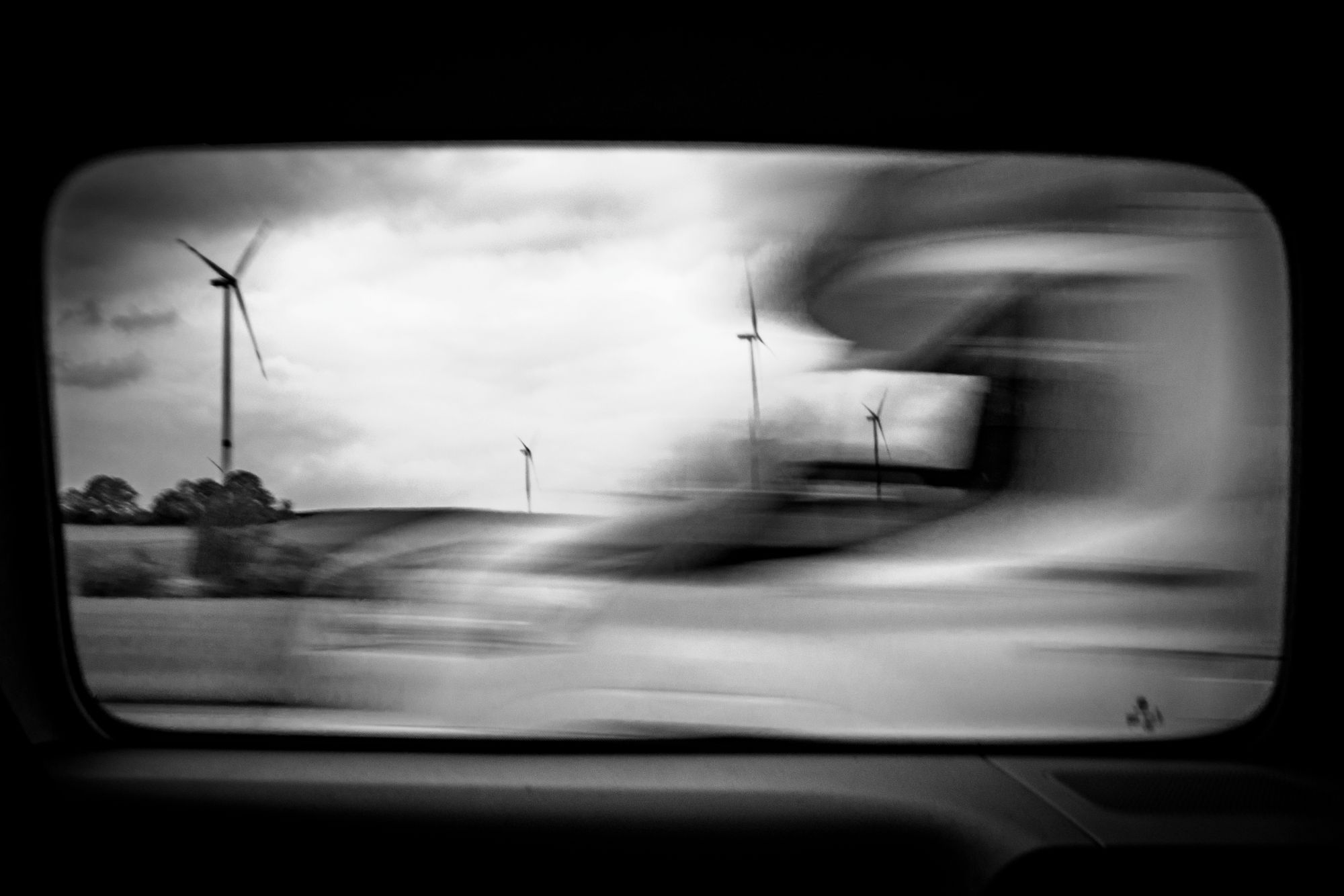
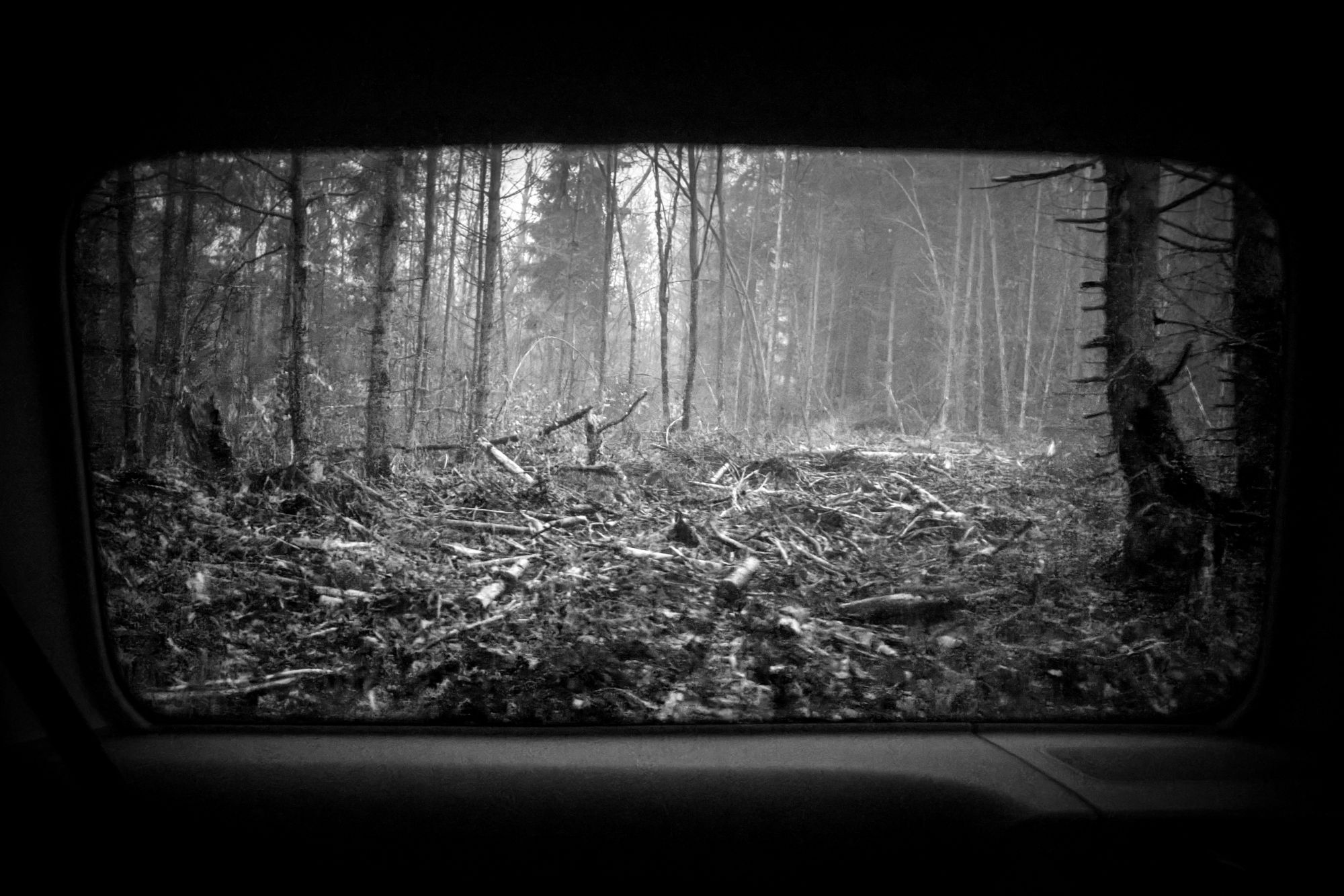
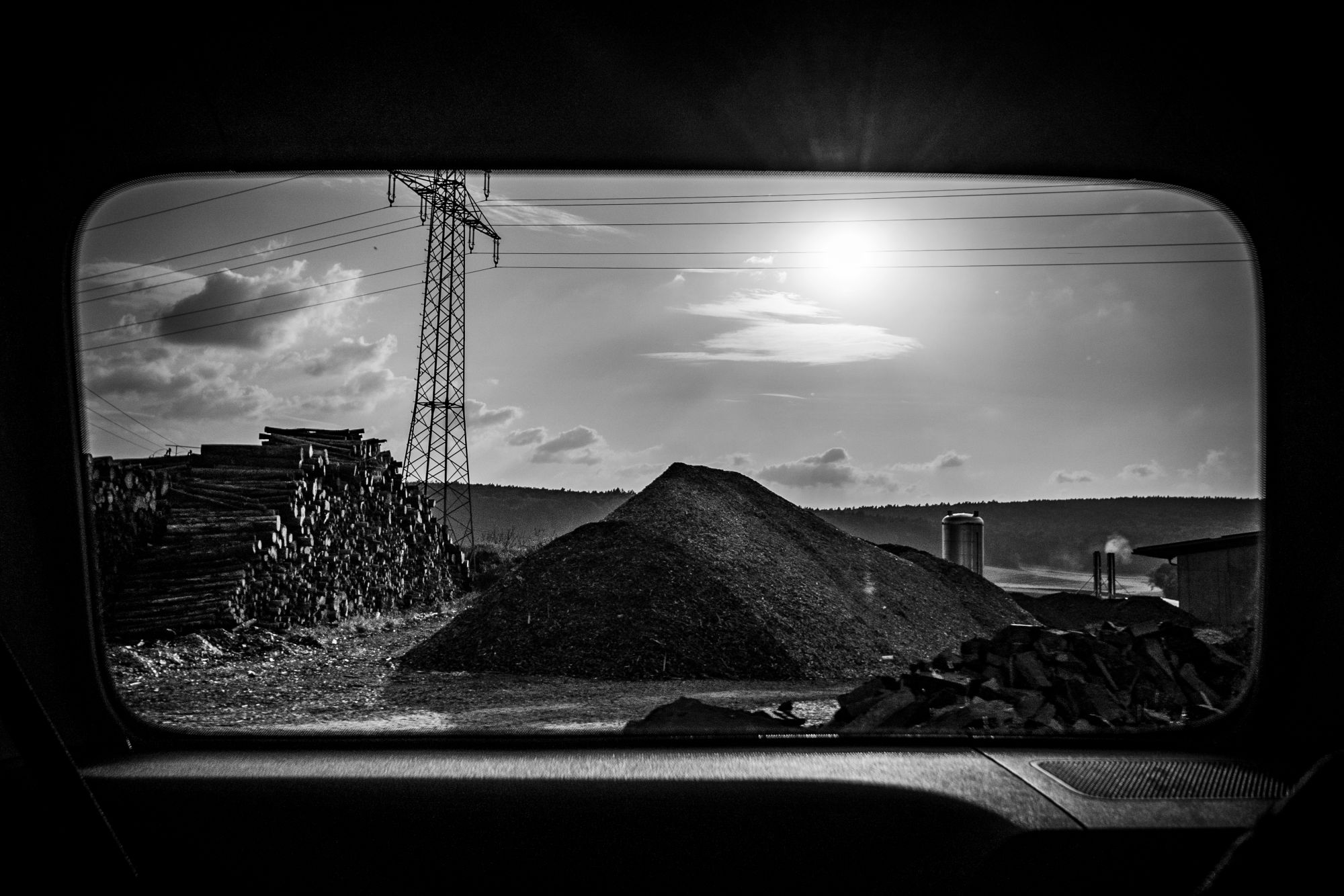
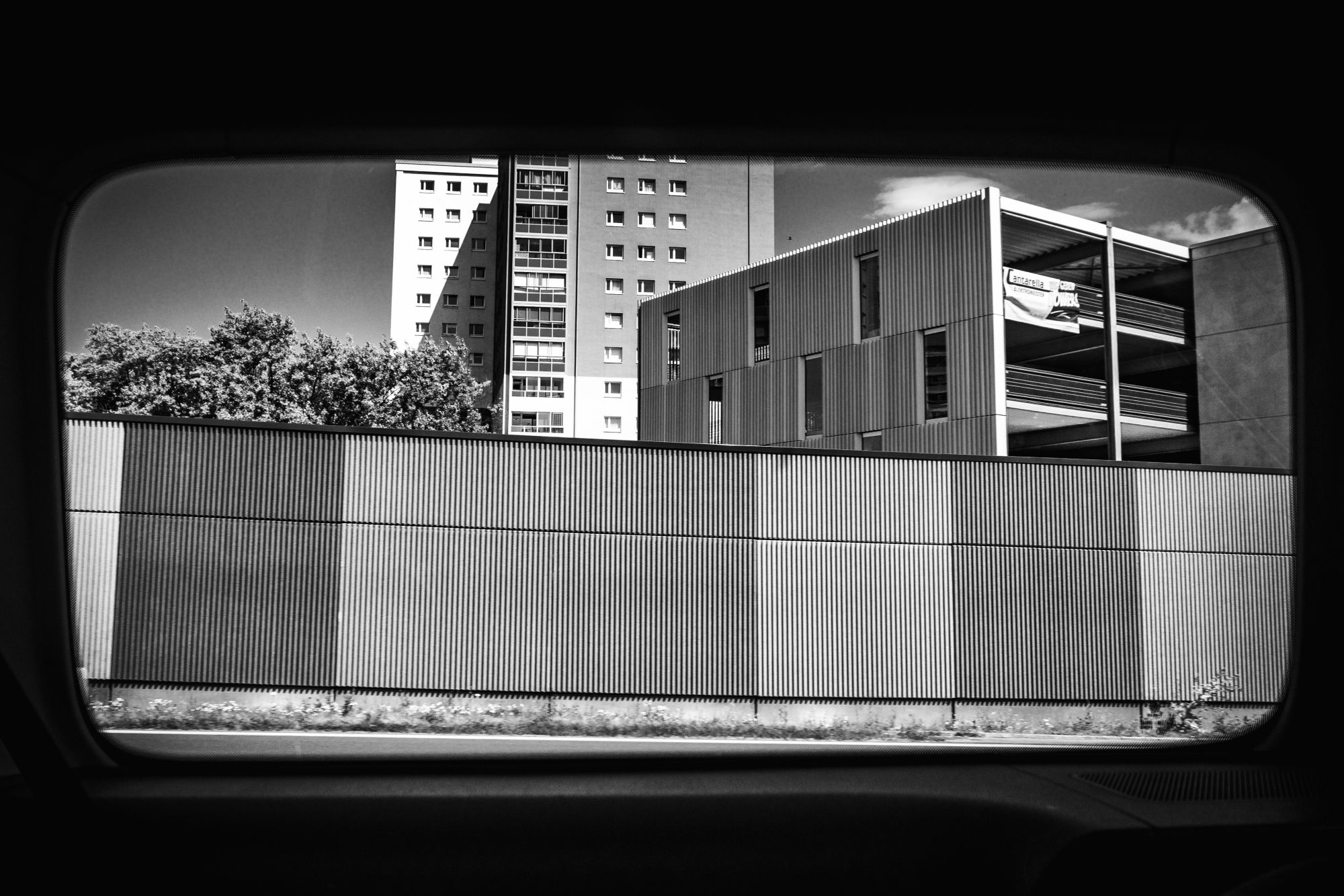
At some point, I also began to create situations specifically for photographs. Bodies, objects or arranged situations could now be introduced deliberately into the same photographic space. In this way, the original mode of observation expanded to include deliberate intervention.
In the documentary works, the situation exists independently of me and I respond to it. In an interventionist work, the situation is created at least partly for the photograph. Both approaches are now part of Rear Seat Diaries. They differ in the degree to which I influence what happens in front of the camera. Their common foundation remains the same characteristic photographic space.
Rear Seat Diaries therefore has no fixed rulebook. The Caddy may be moving or stationary, and the photographs may be documentary, experimental or staged. Subject matter, specific approach, visual language and outcome can all change.
Today, Rear Seat Diaries can only partly be described as a photographic series or a single art project. It is rather an independent photographic practice from which an open, continually growing body of work emerges. Individual photographs can stand on their own or become part of separate series and projects. Their connection does not necessarily lie in what they depict, but in the recurring photographic space in which they are made.
As the archive grew, recurring motifs and structures became visible that could only be recognized in retrospect.
The photographs came first. The order followed later.
From these connections, thematic groups, subseries and independent bodies of work emerge.
The frame is the constant. What happens within it remains open.
Further developments within the project can be found in the RSD Subseries.